
Browsing Category

Eco Friendly

Eco Friendly Recommended

The world’s first major climate tipping point

We have arrived at a moment of stark reckoning. Scientists now believe the planet has crossed the first major climate tipping point — that threshold where an ecosystem moves from strain into a new, less reversible state. According to a recent report led by the University of Exeter, warm-water coral reefs have passed such a threshold. 

What does this mean? A tipping point in climate terms is defined as a “critical threshold beyond which a system reorganises, often abruptly and/or irreversibly.” In plain language: once crossed, nature may not snap back. The report warns that “we can no longer talk about tipping points as a future risk … the first tipping of widespread die-back of warm water coral reefs is already under way.” 

Coral reefs matter deeply: they host a quarter of all marine species, form the backbone of coastal livelihoods for hundreds of millions of people, and serve as natural barriers to storm surge and erosion. To state it simply: their tipping means we are living in a changed climate regime. As one leading expert put it: “It’s like running faster into a sea that is rising to drown us.” — Tim Lenton.

The implications ripple far beyond reefs. When one system flips, it increases pressure on others: thawing ice sheets, permafrost melt, rainforest die-back, major ocean current slowdowns are all on the brink. Scientists caution that we are getting dangerously close to those overlays of tipping point risk. In effect, this is no longer hypothetical: we are living the reality of it.

So what does this mean for you and I? First: recognition. We must face that the climate isn’t just gradually warming—it is shifting into new patterns, new risks, new baselines. And second: action. While a tipping point crossed is deeply serious, it doesn’t mean hopelessness. We can still strive to prevent further cascade effects and limit damage.

Here are a couple of individual actions you can take:

  • Reduce your fossil-fuel footprint: Use public transport, cycle, combine errands, reduce air-travel where possible. Every ton of CO₂ avoided helps slow the pace of system stress.
  • Support and protect nature locally: Plant native trees, support reef or shoreline restoration projects, reduce plastic and chemical pollution that further stress ecosystems. By caring for the natural buffers, we strengthen our resilience.

Yes, we’ve passed a threshold. But we still have choices. By leaning into change—both in our personal lives and our collective voices—we might slow the next one, or prevent it altogether. The urgency is real; the window is narrowing. 
Eco Friendly

World Cleanup Day 2025

Ocean Warriors Unite for a Cleaner UAE

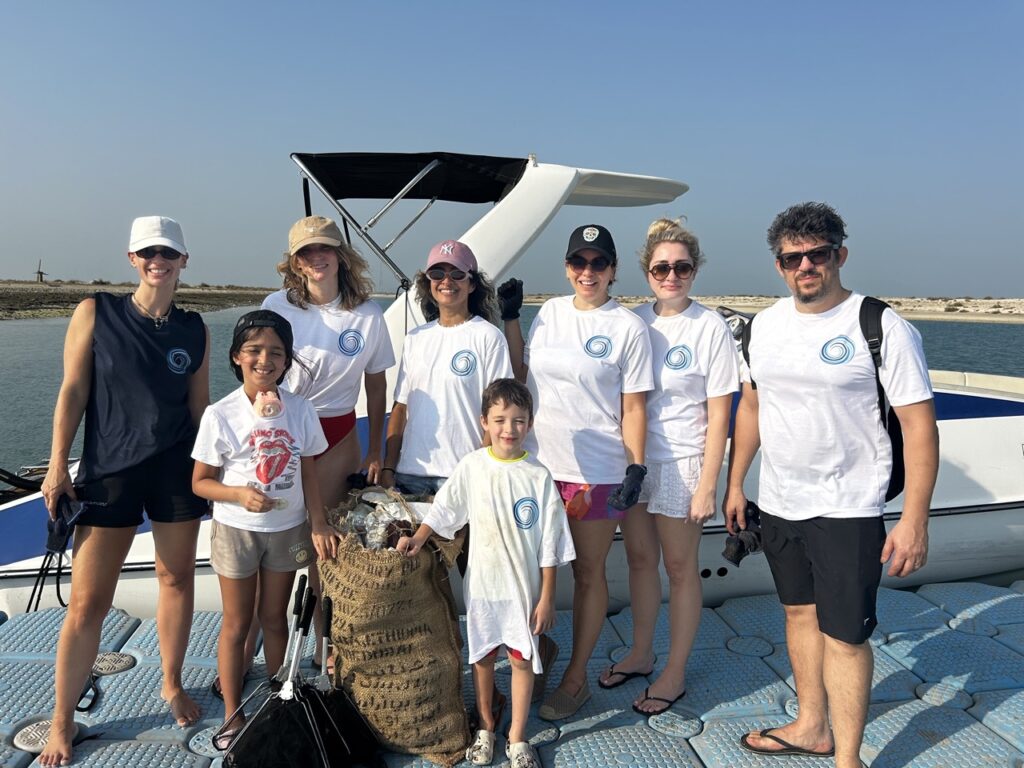
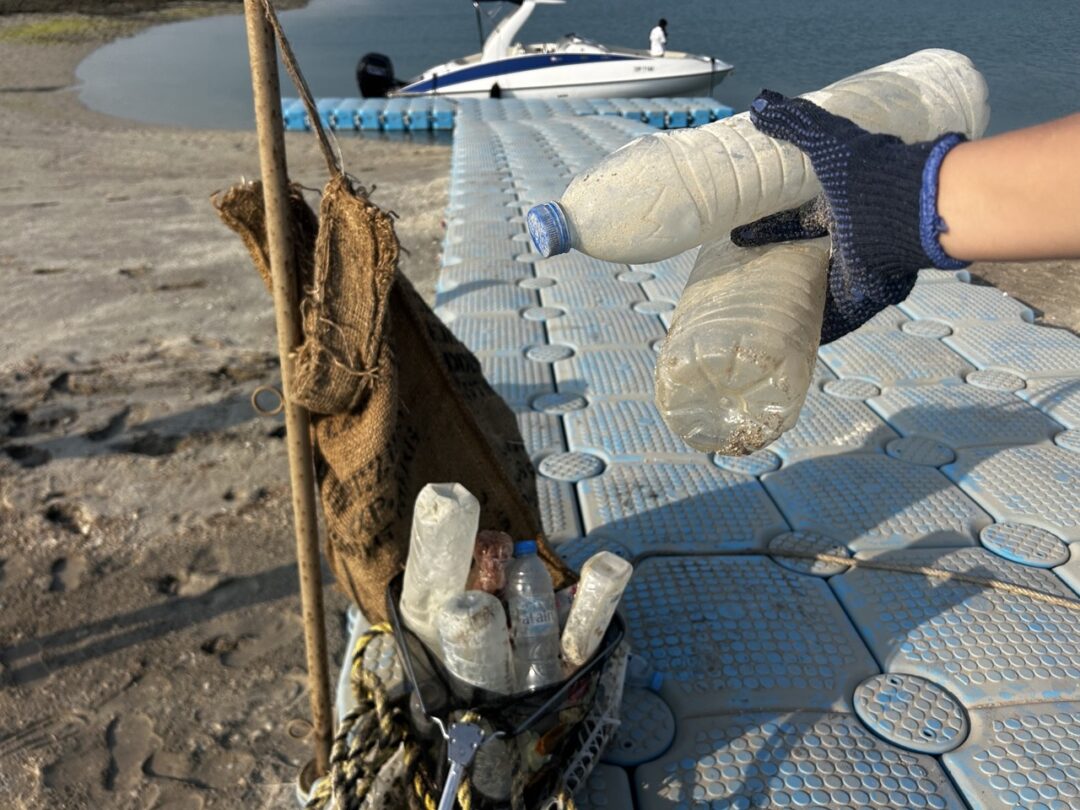
Yesterday, as part of World Cleanup Day, a group of dedicated ocean warriors came together to make a tangible difference for our marine environment. I had the privilege of organizing a little ocean excursion, with Azraq and The Captain’s Club. Together, we headed out to the World Islands with one goal in mind: to clean up the ocean.

Uniting like-minded individuals, we saw firsthand the devastating impact of marine debris on our ecosystem. From single use plastics to fishing nets, our tidal waters bring waste that endangers marine life, habitats, and even human health.

Current Stats: Marine Pollution in the UAE

According to reports by local environmental agencies, over 60% of marine debris found in the UAE’s waters is plastic. This includes everything from water bottles and food wrappers to plastic bags and packaging. A staggering 6.4 million pieces of plastic are estimated to enter the UAE’s waters annually, contributing to the global plastic pollution crisis.

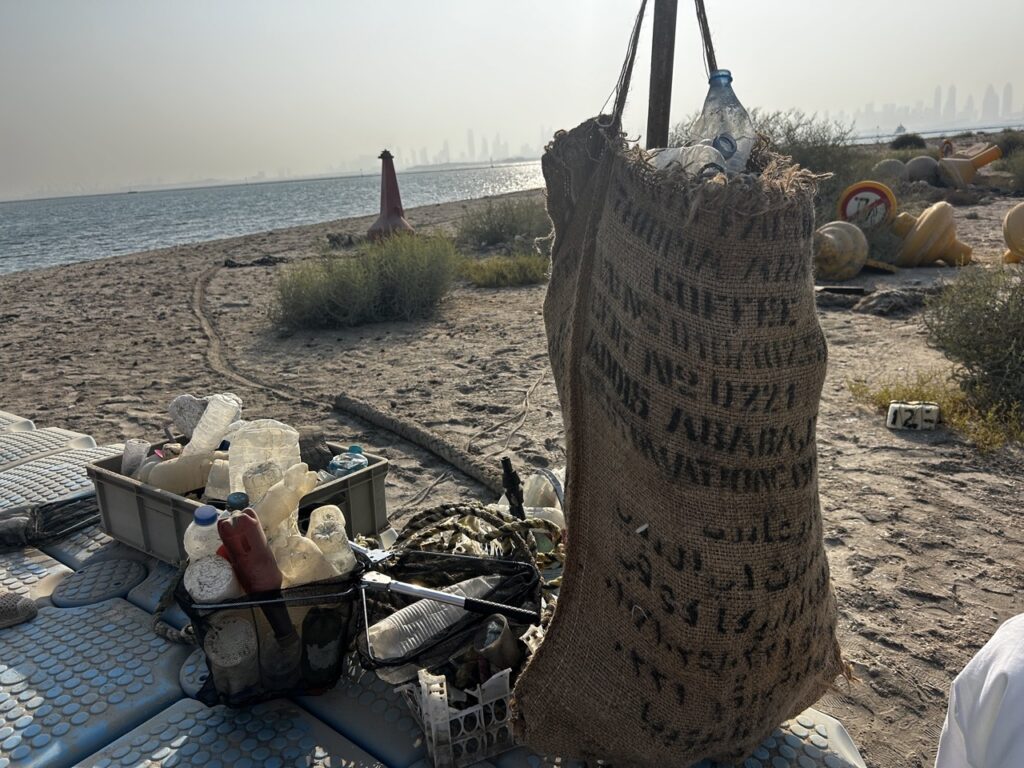
During our boat trip to the World Islands, we focused on cleaning the waters and raising awareness about the types of debris most commonly found in the UAE’s oceans. Among the most frequent offenders were:

  • Styrofoam: Easily recognizable, it poses a serious threat to marine life when left to float in the water.
  • Fishing gear and ropes: These “ghost nets” continue to trap marine animals long after they have been discarded.
  • Plastic bottles: One of the most common pollutants, as single-use plastics are the cheapest type of plastic available.

Why Cleanups Matter

While a single day of action won’t solve the global marine debris problem, initiatives like World Cleanup Day are essential to driving change. It’s about mobilizing communities, educating the public, and inspiring individuals to take responsibility for the health of our oceans. It’s also about sending a clear message that each of us has a role to play in keeping our planet clean.

Eco Friendly

New launch: Sustainably designed apartments in Dubai

Dubai is hot property. Real estate transactions reached a record 180,987 deals in 2024 (up by a huge 36.5% from the prior year). Post-pandemic we saw unprecedented growth and average home prices rose 33%.

So I’m wondering where could you invest if (like me) you’re looking for something with a little more sustainability in mind?

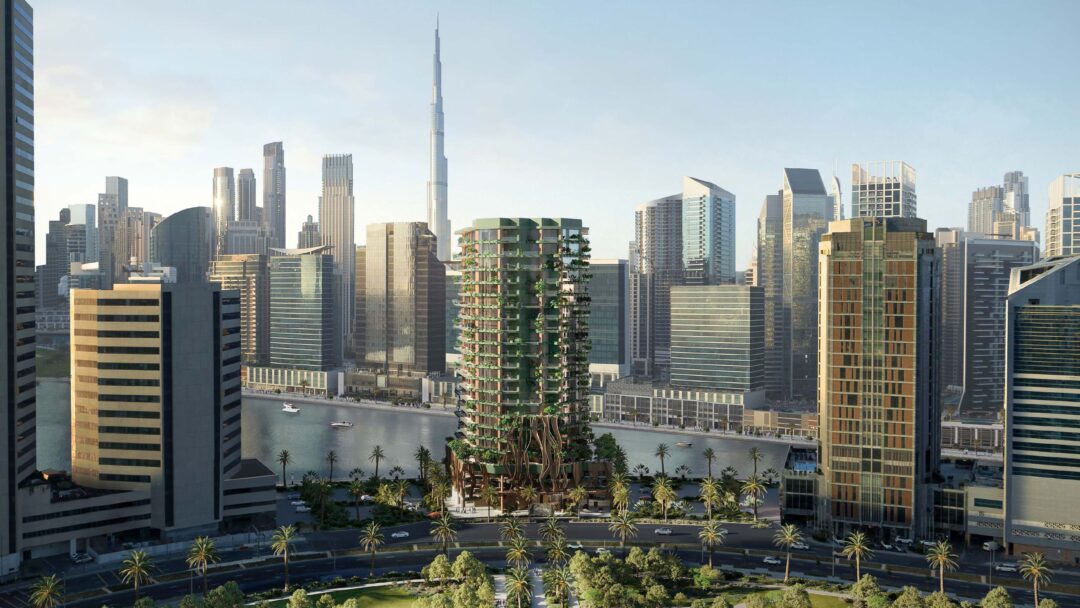
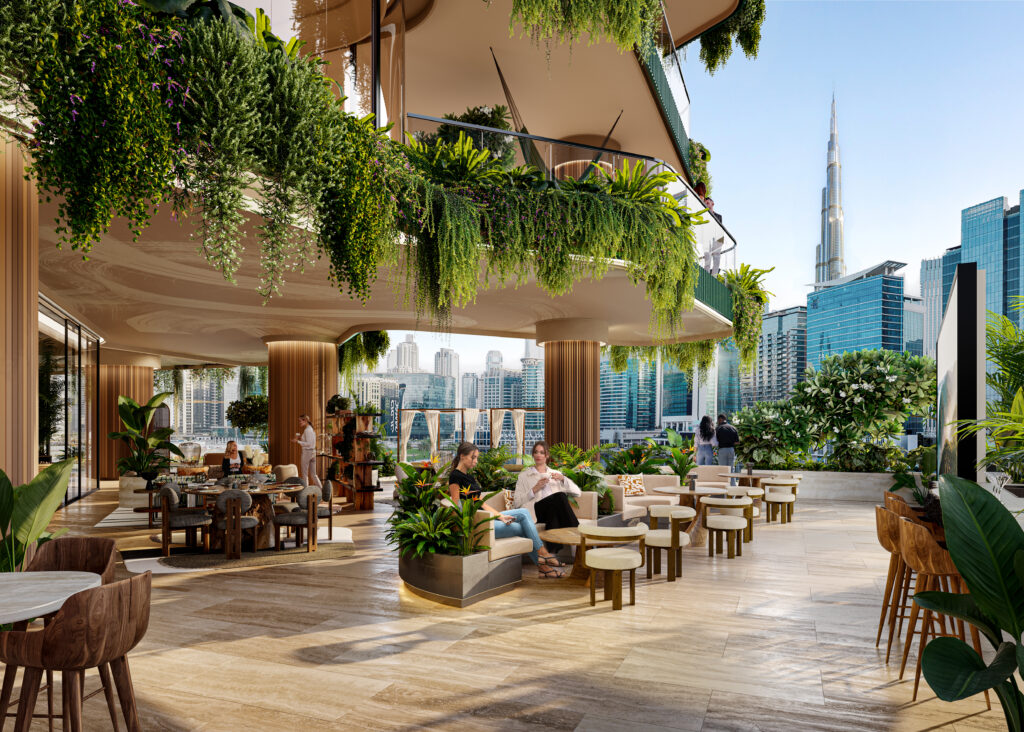
Meet Eywa. Inspired by the Tree of Life, Eywa is offering innovative wellness spaces, tech-savvy environments and all under an organic canopy grounded in weaving roots, with a floating oasis to boot. EYWA is the first building in the UAE and one of the few globally to achieve both LEED Platinum and WELL Platinum certifications.

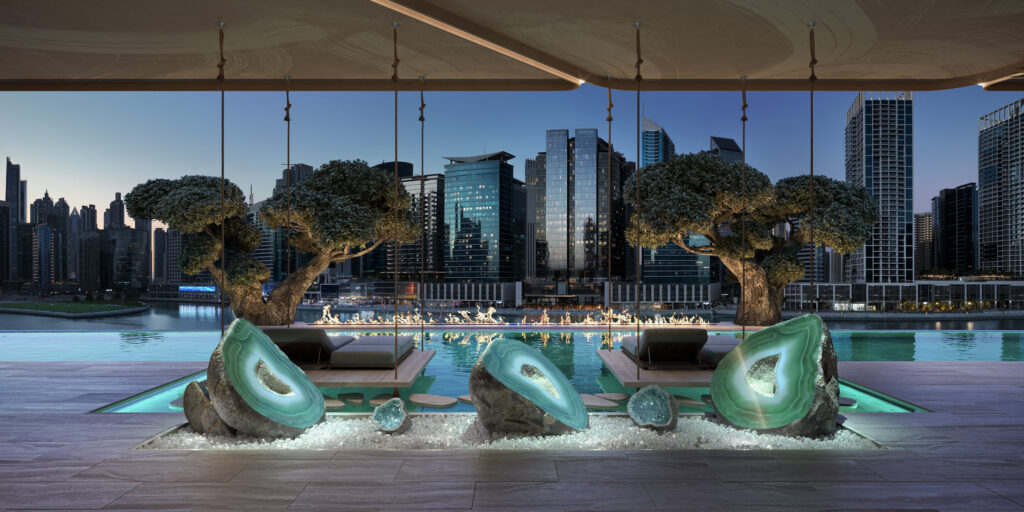
A self-professed sanctuary, Eywa combines the venerable design principles of Vastu Shastra with the latest technologies to harmonies the building’s energies. USP’s include crystal gardens, living drinking water systems, and crystallized water pools with cascading waterfalls on every terrace.

A strong advocate for green development, sustainability, and anti-consumerism. By implementing energy-efficient systems, they aim to reduce energy consumption by at least 40% compared to traditional designs and standards. 

They exclusively use durable, high-quality materials that meet LEED Platinum and WELL Platinum requirements for both exterior and interior design, aligning with their anti-consumerism principle and contributing to a reduced carbon footprint. 

For the detail-orientated, Eywa offers; a dedicated residents community space, private terraces with dining area and hammocks, generous storage and service spaces, European sanitary ware, European kitchen appliances with high energy rating, signature stone countertops, fully customized sustainably produced kitchen joinery, natural stone & engineered wood flooring and private waterfalls and pools AND a community library featuring over 2,500 curated books… of course.

This exciting project, located in Dubai’s Business Bay area, is set to be completed in Q2 of 2026 by R.Evolution, the real estate developer with over 25 years of experience.

Eco Friendly travel

Luxury eco-resort focuses on going green under the sea

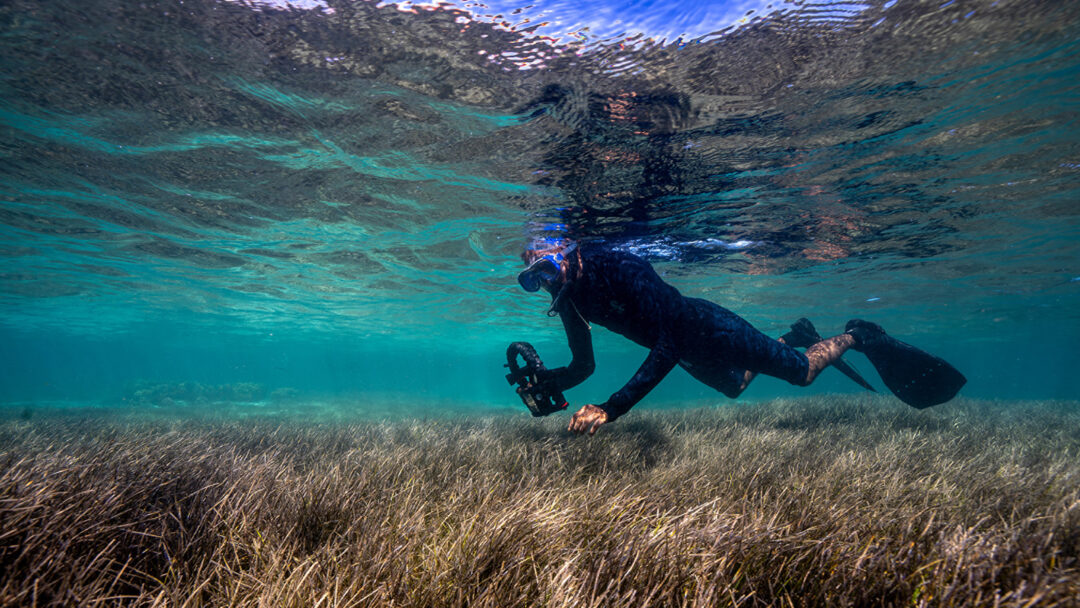
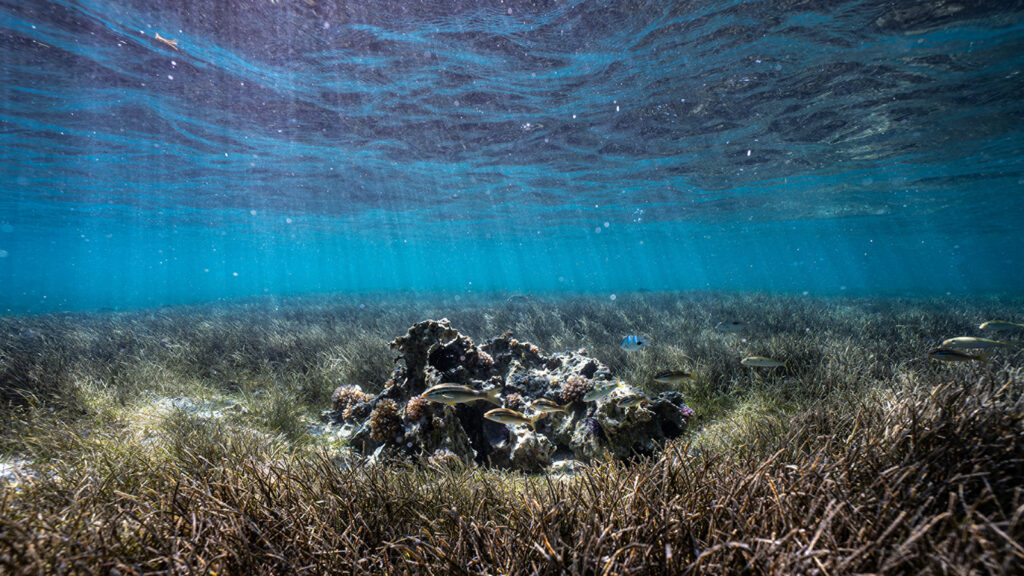
Four Seasons Mauritius at Anahita is ensuring a sustainable future with the region’s first seagrass meadow nursery. The first resort in the Indian Ocean to develop such a project, the nursery is located in a one-meter-deep (40 inch) saltwater body near the dining facilities, and is currently hosting more than 200 herbivore and omnivore fish.

Through photosynthesis, seagrasses remove carbon dioxide from the water and use the carbon to build their leaves and roots. Plant material that collects on the low-oxygen sediment on the ocean floor decomposes much slower than on land. Seagrass provides food and shelter for many organisms, and are a nursery ground for many prawn and fish species. All of this increases tourism (through activities like bird watching and scuba diving), the cleaning of coastal waters and sediment stabilisation.

This initiative is part of the Blue Carbon Ecosystems Project: Restoration of Blue Carbon Ecosystems, which is currently led by the Odysseo Foundation, a local trust developing marine conservation projects in Mauritius. 

Rick-Ernest Bonnier, the Resort Ocean Environment Manager, explains: “The Seagrass Nursery is a pilot project that aims to restore the seagrass meadows in the marine area around the resort. Both transplants and seeds will be collected from the wild and used to create a seagrass nursery in the resort’s Barachois. Seeds will be germinated in an Odysseo lab and the developed seedlings will then be transplanted to the resort’s Barachois until maturity.”

“These ecosystems provide essential services for humanity as they are highly efficient carbon sinks, crucial in the fight against global warming; they serve as important fish nurseries, whose loss would threaten many species that are vital food sources for marine life and island nations, such as Mauritius.” Bernardo Nascimento, Odysseo Foundation Manager, Curator and Head of Education.

The Seagrass Nursery project is one of many ways that Four Seasons guests can engage with the local environment, alongside resort nature walks and their seahorse snorkel.


Beauty

Green dentistry with Dr. Apa

Smiling for all the right reasons after a Q&A with Hollywood’s smile specialist Dr. Apa.

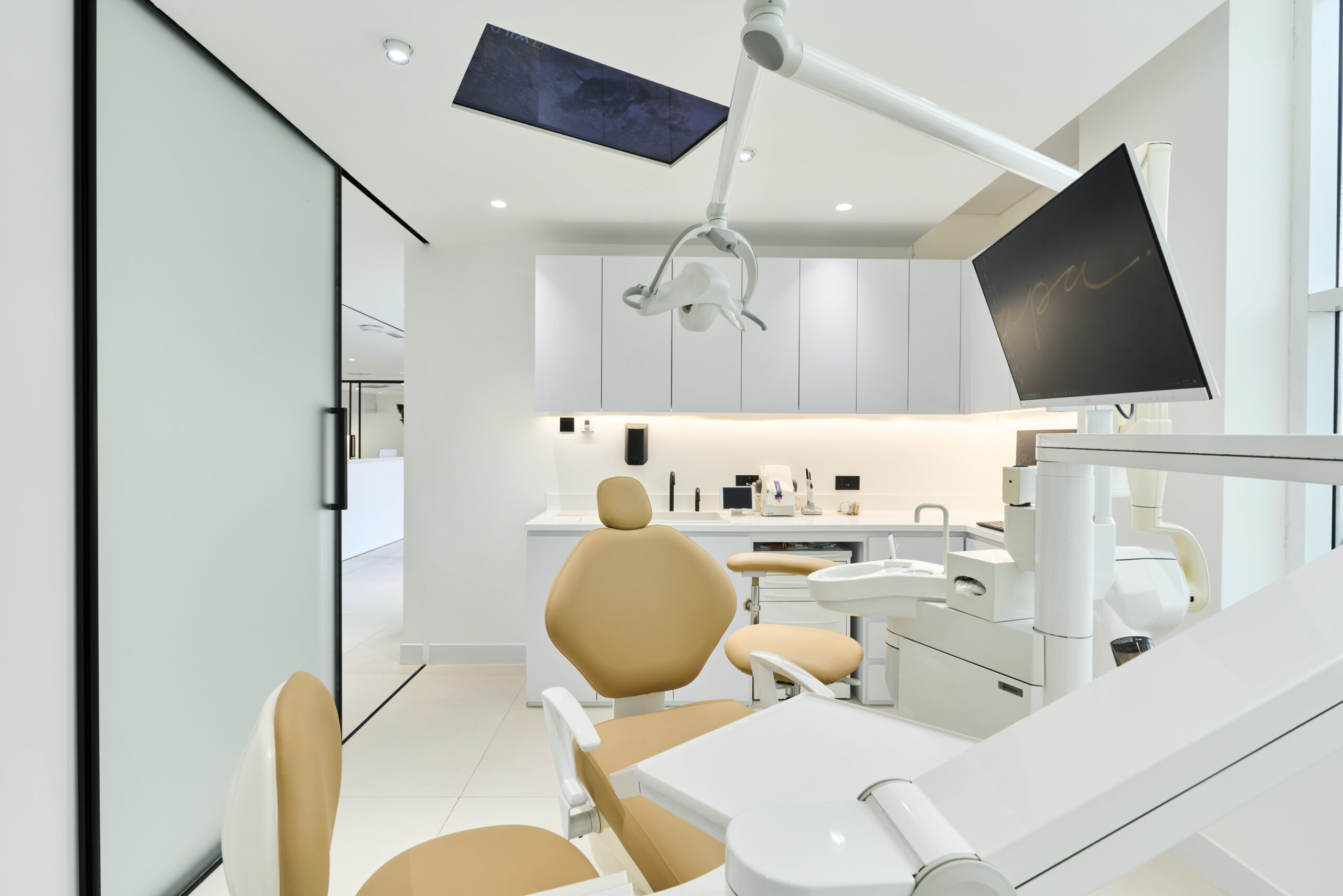
If you don’t know the name by now, Dr. Apa is famed for creating those perfect smiles you see on celebrities like Jennifer Lopez, Kendall and Kylie Jenner, Uma Thurman, Kyle Richards to the Olsen Twins, and more. Focusing on minimally invasive cosmetic dentistry and smile makeovers that are more than just a set of veneers.

Here’s what he has to say about an industry that’s not often known for focusing on sustainability, but like any other, has waste to manage and greenwashing to navigate.

How do you integrate more sustainability within in your practice?

There are different ways to think about sustainability. The most obvious way I integrate it into my practice is by ensuring precision and longevity in our work. Limiting the need for redos reduces material waste, lab work and unnecessary procedures. We are continually finding ways to integrate technology into our workflow, without compromising our signature aesthetic. By digitizing some of the early steps in a smile makeover, we can minimize material waste.      

Is there any greenwashing within the industry to be aware of?

Like any industry, dentistry isn’t immune to marketing buzzwords. There’s a lot of talk about ‘natural,’ ‘eco-friendly,’ and ‘biocompatible’ materials, but not all of it is backed by real science. I always encourage patients to ask for transparency—what’s actually in the products, how they perform, and whether they truly deliver on their promises. At the end of the day, our focus should be on both aesthetics and long-term oral health, using materials and techniques that are safe, effective, and backed by research.

How do you encourage a more sustainable mindset for your patrons?

Sustainability in dentistry starts with making choices that last. My approach has always been to use the highest quality materials and techniques to create smiles that stand the test of time, reducing the need for frequent replacements or corrections. We also educate our patients on proper oral care, so they can maximize their results. 

With toothbrushes being one of the biggest single use plastic products out there, how would you suggest we reduce our footprint here? (What do you think of alternative products?)

It’s true that toothbrushes contribute to plastic waste, but the key is finding a balance between sustainability and effectiveness. While there are bamboo and biodegradable options out there, not all of them provide the same level of performance when it comes to truly maintaining oral health. My recommendation is to invest in a high-quality electric toothbrush with replaceable heads—this reduces overall waste while ensuring the best care for your teeth.

Has AI helped shape your practice moving forwards?

There is a lot of potential with AI but it’s all still a work in progress. Technology, in general, is an incredible tool, but the human element—our expertise, creativity, and attention to detail—will always be at the heart of what we do.

What other advances are helping to ensure more effective dentistry for 2025?

Dentistry is evolving fast, and 2025 is bringing even more exciting advancements. We’re seeing major improvements in digital scanning, AI-driven diagnostics, and 3D printing, which allow for more precise, customized restorations with faster turnaround times. Minimally invasive techniques are also becoming more sophisticated, helping us preserve more of the natural tooth structure while achieving incredible aesthetic results. We’re experimenting with digital wax-ups as a more efficient preview of the patient’s new smile. Ultimately, the goal is to make treatments more efficient, long-lasting, sustainable, and patient-friendly without compromising on quality or artistry.

Eco Friendly Recommended

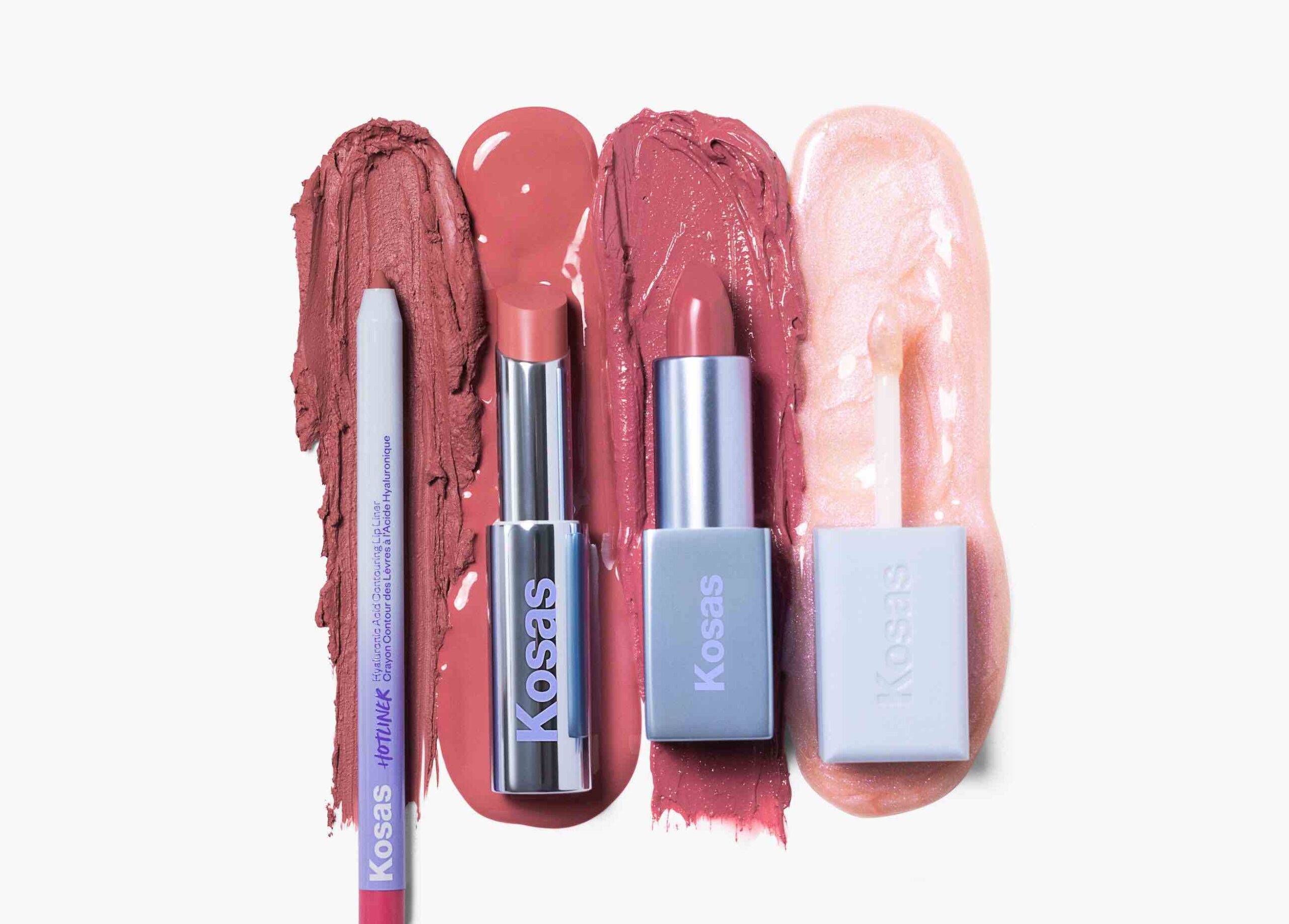
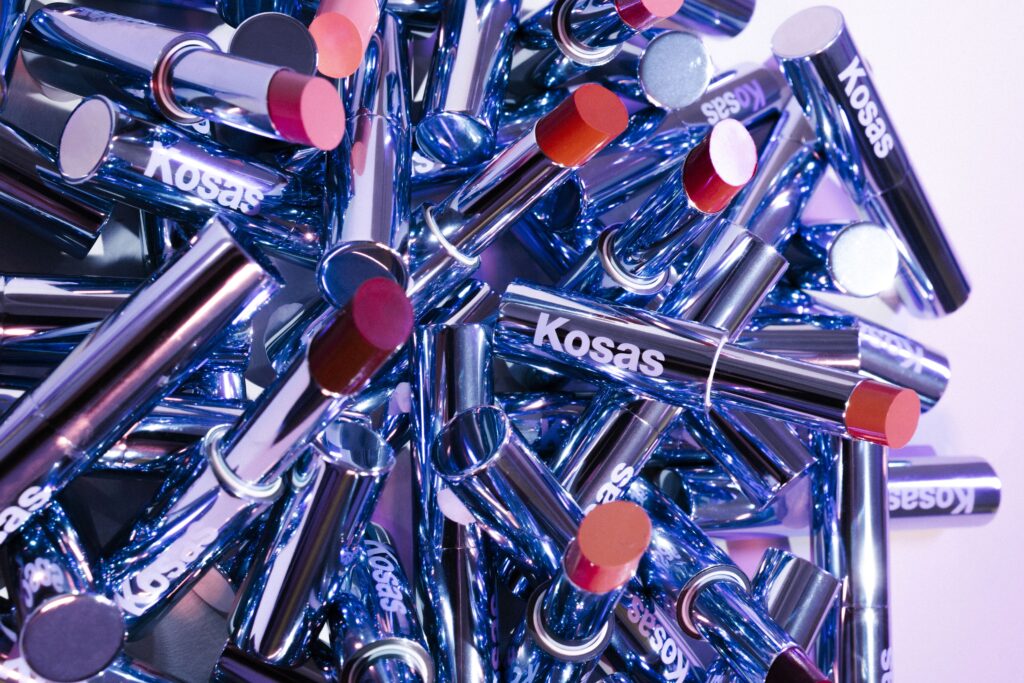
Cult favourite clean beauty brand Kosas lands in the UAE

Available exclusively at Sephora, Iranian born Sheena Zadeh, founder of Kosas, puts a precedence on skin-loving, naturally based ingredients and omits the usual phthalates, parabens, talcs and silicones… (to name a few).

Wearing makeup is a perfect opportunity to take care of your skin, and Kosas uses super nourishing ingredients at clinically proven active levels to improve your skin – even when it’s bare. Expect ingredients like pink algae, arnica, peptides, bamboo stem extract, vegan collagen and mineral reef-safe SPF’s in their must-have products instead.

You can shop Kosas guilt free because they are also planet-positive as a company and ensure: 100% Cruelty-free and Leaping Bunny Certified, 100% Tree-free or FSC-certified cartons. 100% of tubes are made from biomaterials and use totally ethically sourced mica too.

Eco Friendly Sustainable

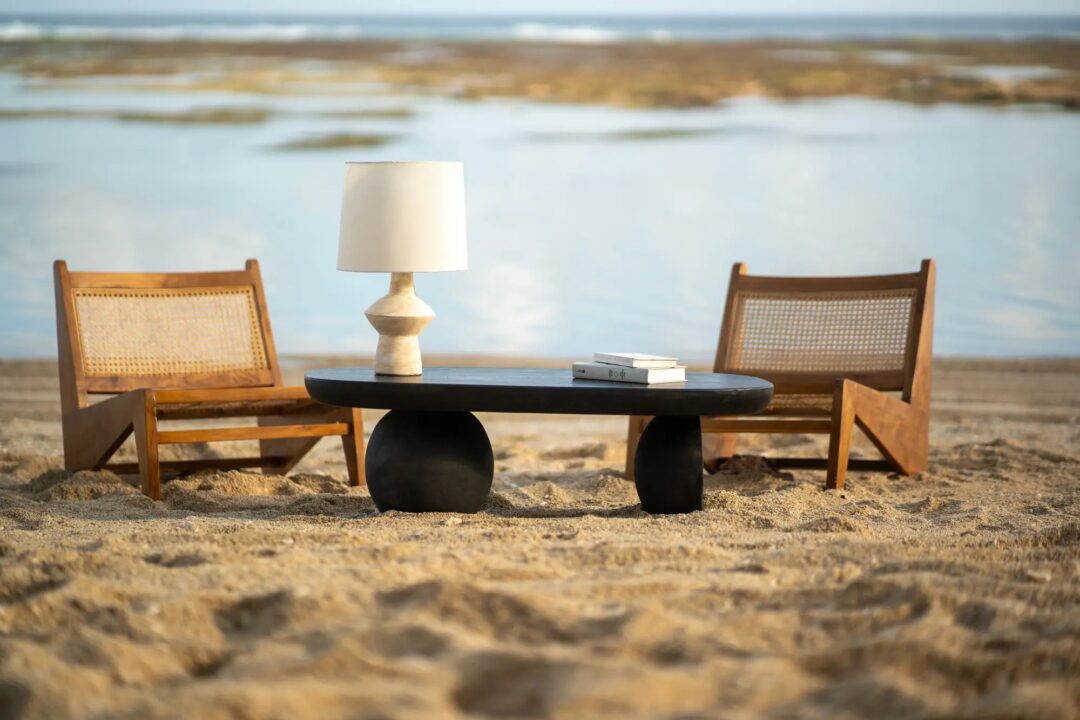
Ombai furniture blends earthy materials with modern silhouettes

Handcrafted in Indonesia, using sustainably-sourced materials of the greatest quality, OMBAI is designed for those who want to live in harmony with the elements.

New to the region, OMBAI are solid wood specialists who ensure their environmental footprint is minimal. Their sustainable collection is handcrafted by artisans using age-old techniques such as Shou-sugi-ban, an ancestral Japanese wood curation technique that consists of burning the wood for durability. Not only is this skill eco-friendly but it also gives furniture unmatched allure.

According to a study by PricewaterhouseCoopers (PwC), sustainability is actually a crucial factor for three-quarters of consumers when they are buying furniture.

So what makes furniture more sustainable? Other than upcycling or upselling it once you’re finished with it of course… Using use renewable, reclaimed or recycled materials in the manufacturing. Making sure the materials used have minimal chemicals, including in the varnishing and also using local materials and local fabricators to save on transportation.

These are my top pics:

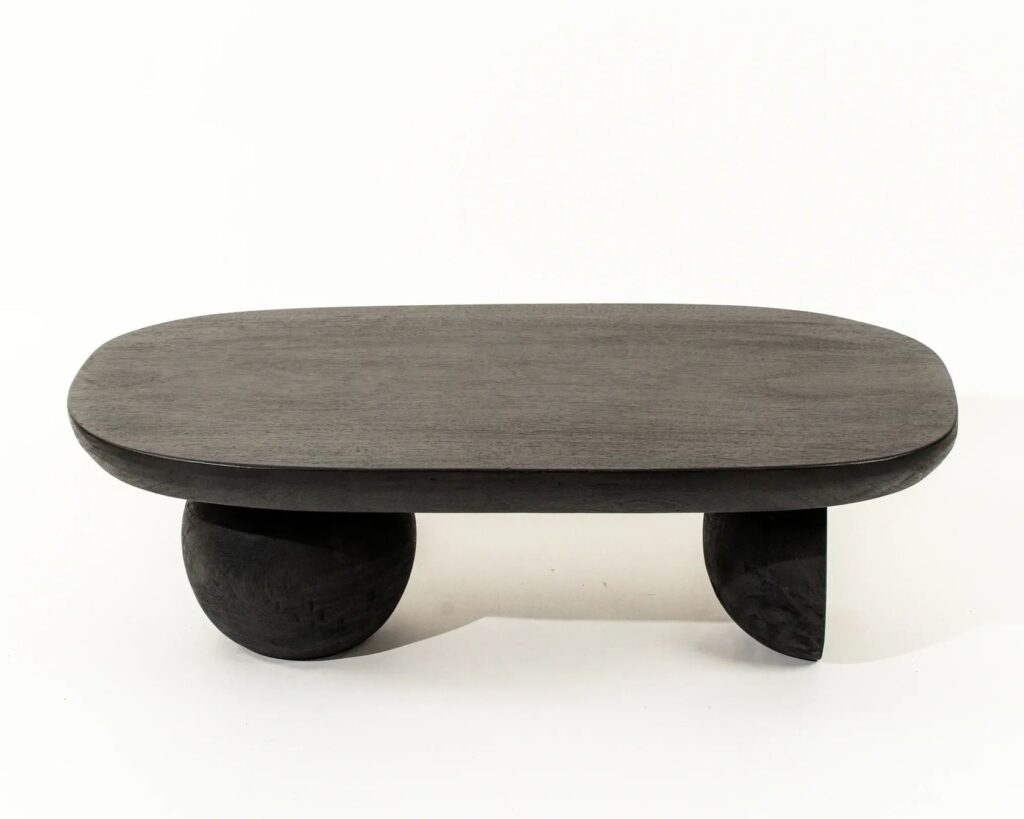
Vilya Oval Coffee Table Sugar Wood, crafted from natural Sugar wood with a burnt black finish.

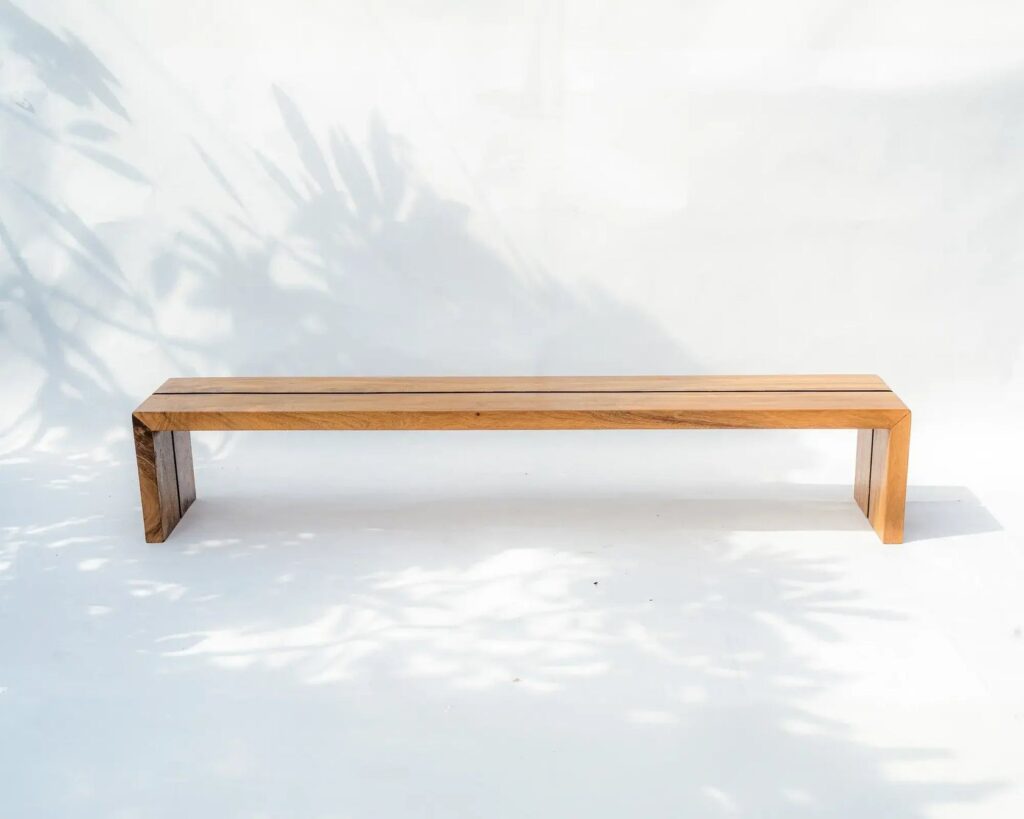
Briza Bench Natural Suar Wood, crafted from natural Suar wood.

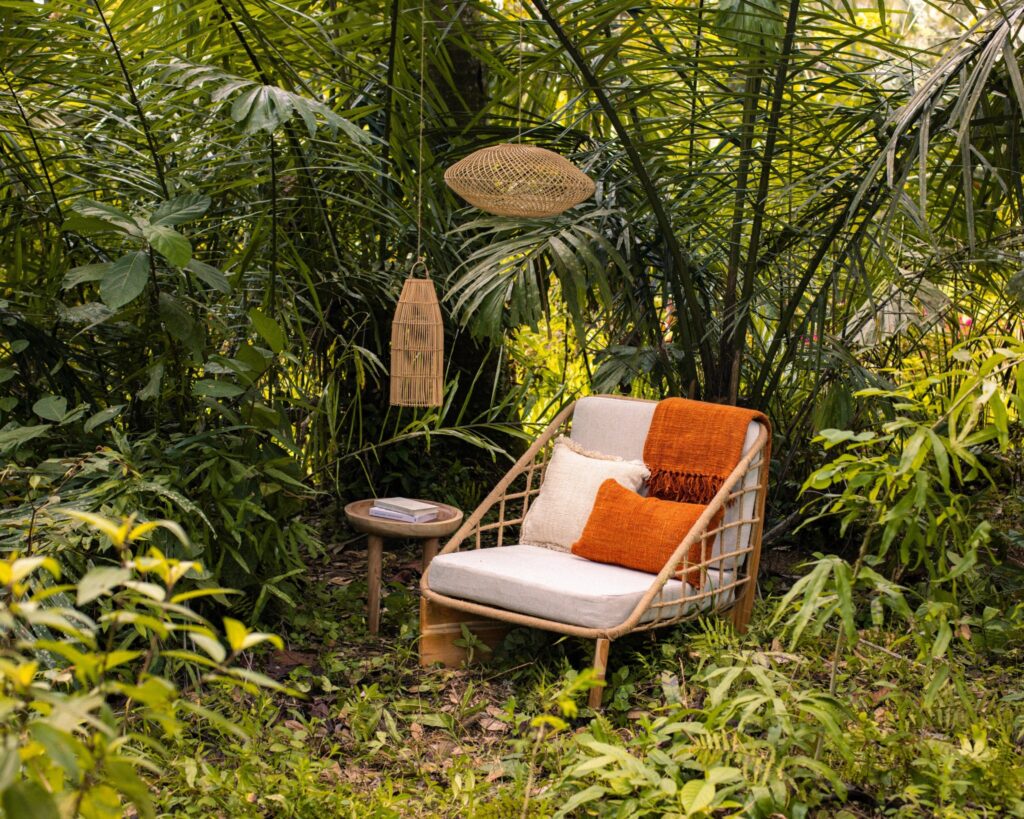
Rimba Rope Detail Armchair Teak Wood, featuring a blend of natural materials, such as wood, metal and rope.

OMBAI has now opened at the new Goshi warehouses in Al Quoz, Dubai.

Eco Friendly Sustainable

Dubai’s Sustainable Kidswear and Toy Directory

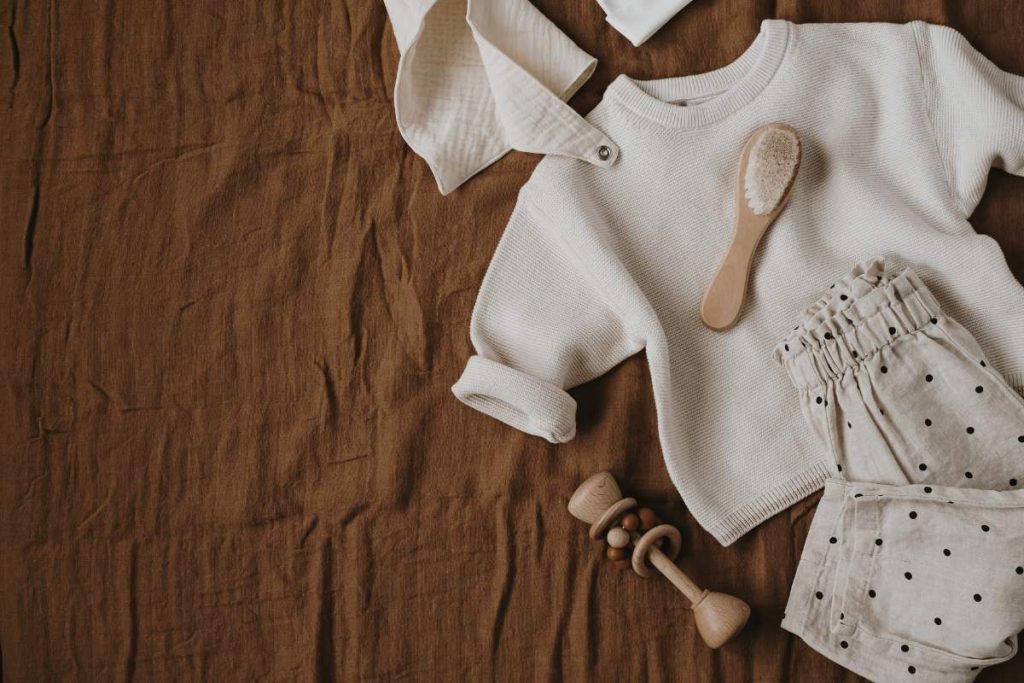
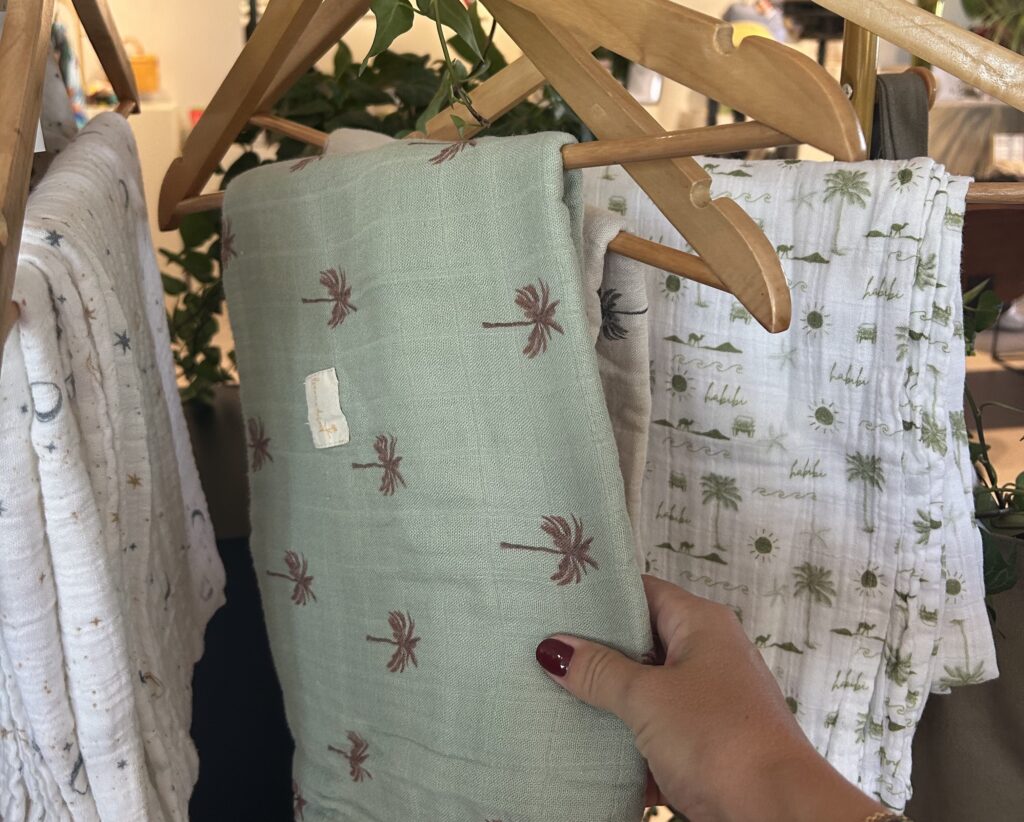
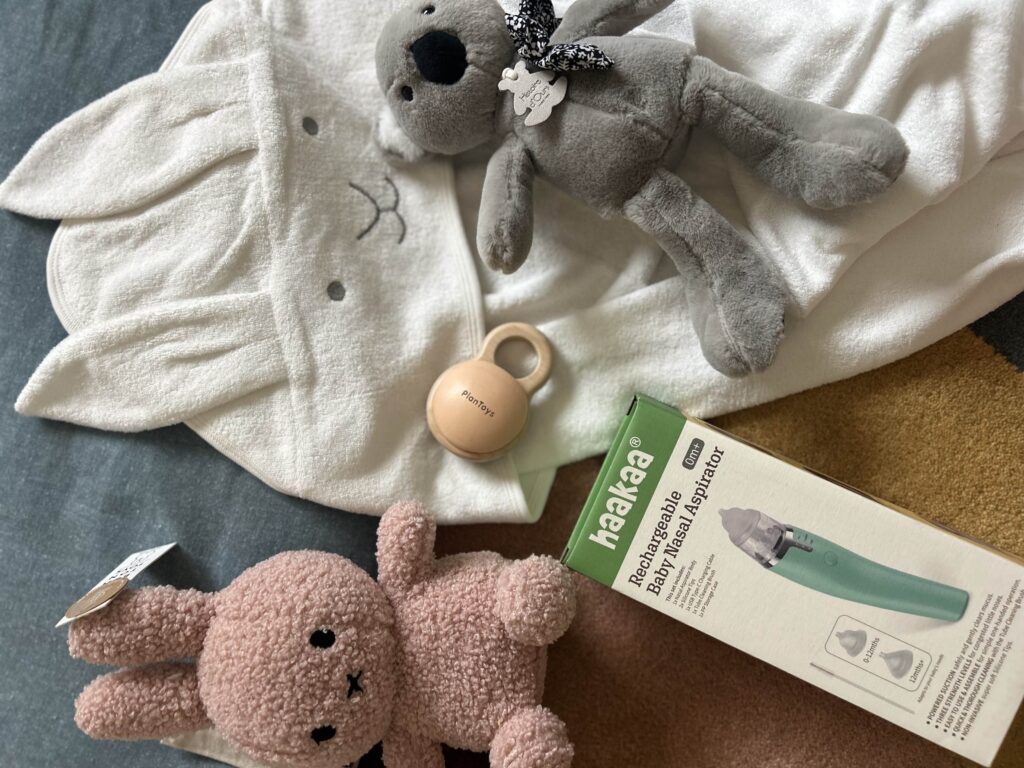
Did you know that an average child uses over 200 pieces of clothing! Babies will outgrow 7 clothing sizes in their first 2 years, which is not sustainable at all.

The $200 billion global kid’s clothing market is growing faster than adult’s, expected to reach nearly $300 billion by 2030. 180 million+ pieces of kids clothing go to waste each year. That’s not all, most modern textiles exact some form of environmental tax. Regular cotton is grown using pesticides, but organic cotton must often be shipped consumes lots of water. Plus, human-made materials like nylon and polyester come from petroleum. Toxins also get involved in the spinning, dyeing, and overall production of many fabrics, which contributes to the release of greenhouse gases and can leach toxins into the soil and water supply.

But there is hope… for used outfits and items that remain in good condition, there is a thriving secondhand market for children’s clothing, toys and equipment here in Dubai, both on and offline.

Christmas is as we know, a very consumer heavy holiday and we could all be more mindful with the gifts we buy in order to make them more sustainable. For me, that means shopping local, ethically minded brands of course, and I get asked a lot of questions about just who and where I recommend for tots and babies here in the U.A.E., so have compiled a list of my favourites for you:

Ideal for clothes:

Beaux Desert

Beautifully made collections for the whole family using eco-friendly materials and ethical manufacturing practices

Birdsn’Bees

A local family concept store specializing in clothing, beachwear, and swimwear

Little IA

The perfect place for personalized gifts for little ones

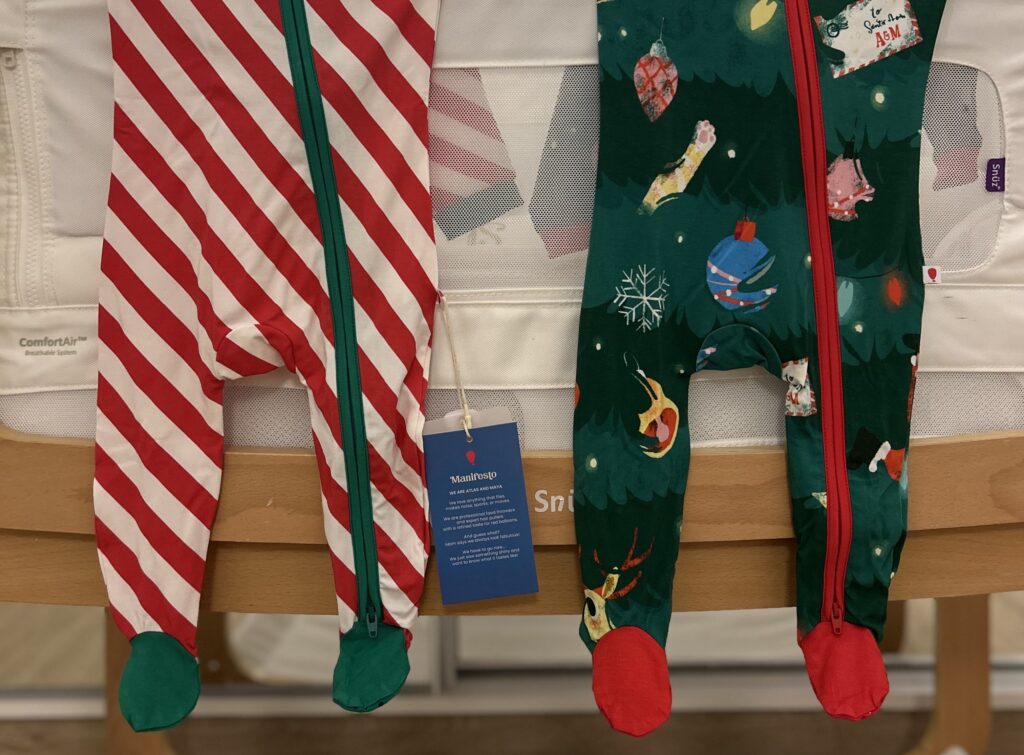
Atlas & Maya

Exclusively creating collections using certified sustainable materials

Baby Bazaar

A monthly circular pre-loved pop-up at Times Square Centre, Dubai

Reloved

A marketplace for buying and selling second-hand clothes, baby items, furniture, accessories, and more

Bump and Baby

A pre-loved maternity & baby store

Anvi Baby

Quality, comfortable and sustainable essentials for baby

Bjerg & Hav

Hygge | Slow | Handmade | Organic

Carob

Effortless mummy and me summer fashion


Ideal for toys and equipment:

Made By Nature

Dubai’s only family concept store offering sustainable brands

Little Ones Arabia

Premium sustainable baby products, clothes and gift hampers

Maisontini

Experiential showroom and sustainably minded concept store

Eggs n Soldiers

Natural & eco-friendly baby products

Monki Box

Sustainably designed bilingual purposeful play program

Secondful

A secondhand online marketplace for pre-loved kids and baby gear

Secondgear

A secondhand online marketplace for pre-loved kids and baby gear


Eco Friendly Sustainable

Thankyou, Consumerism Reimagined

We all shop, we shop for what we want, need and also don’t need. But the idea that a product is shoppable solely to do good in this world is the main idea of Thankyou. (Currently) an Australian and New Zealand only based social enterprise, that bring’s consumers a product choice, for one reason only; “to help create a world where not one person lives in extreme poverty.”

In 2008, Daniel, Justine & Jarryd co-founded Thankyou to help bridge the gap between two of our world’s extremes; extreme poverty & extreme consumerism.

Still not quite sure how it works?

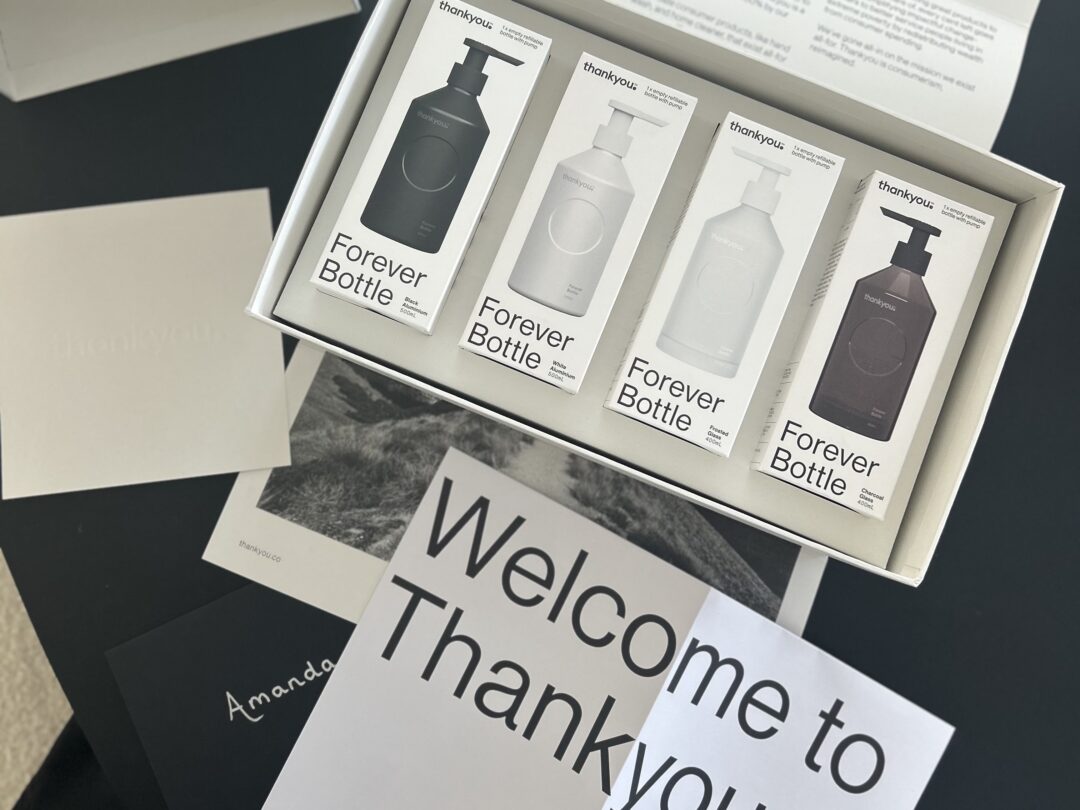
Step one: Thankyou makes necessary home, baby and body products you’ll love, like hand-washes, cleaning supplies, baby wipes and deodorants, that are designed to be kind to humans and the planet.

Step Two: Thankyou gives every cent left (after the costs in step one) to help end extreme poverty.

Thankyou is a social enterprise owned 100% by their own charitable trust, with 18.55Million AUD raised so far and donated!

How else are they sustainable? Thankyou focuses on consumer packaging by adopting goals to ensure packaging uses less resources, is more easily recycled, and uses materials which can be returned and reused, with the goal of minimising waste. As of 2020, Thankyou is a certified carbon neutral organisation for its operations by Climate Active. Carbon emissions associated with their products and supply chain estimations were also included and offset as part of this assessment.

Their new plan is to rapidly expand far beyond Australia and New Zealand, with their sights set on the U.A.E. in 2025!

Eco Friendly travel

Kurulu Bay is a unique private sanctuary in Sri Lanka

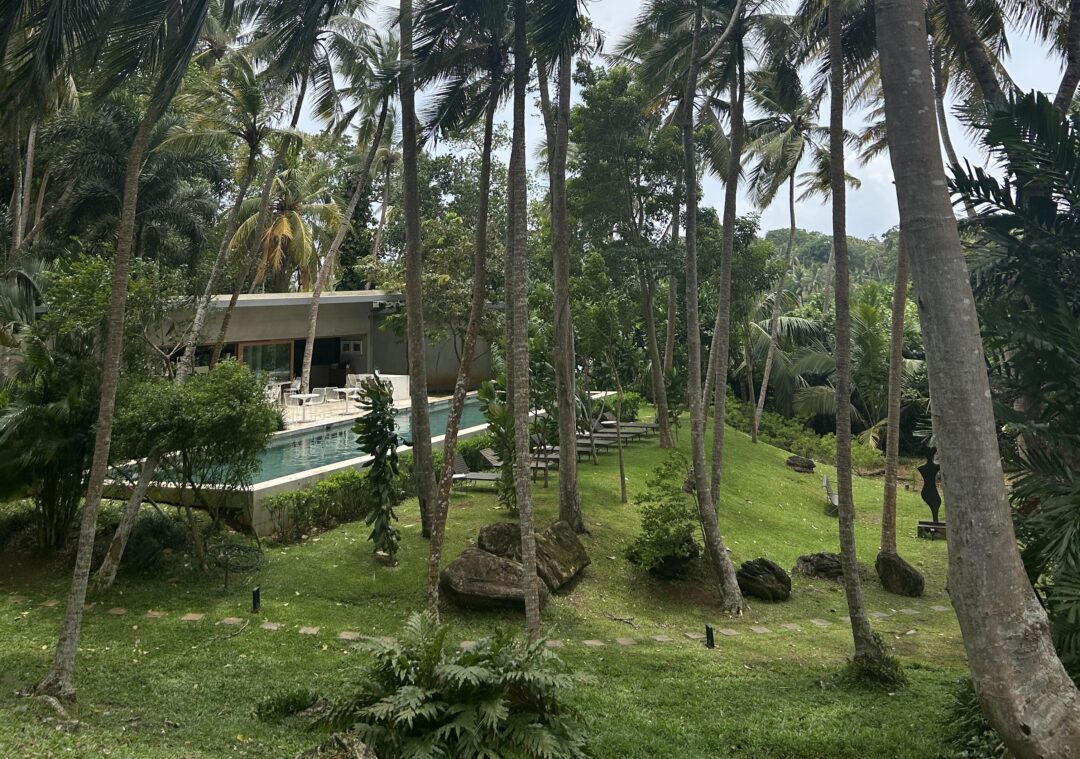
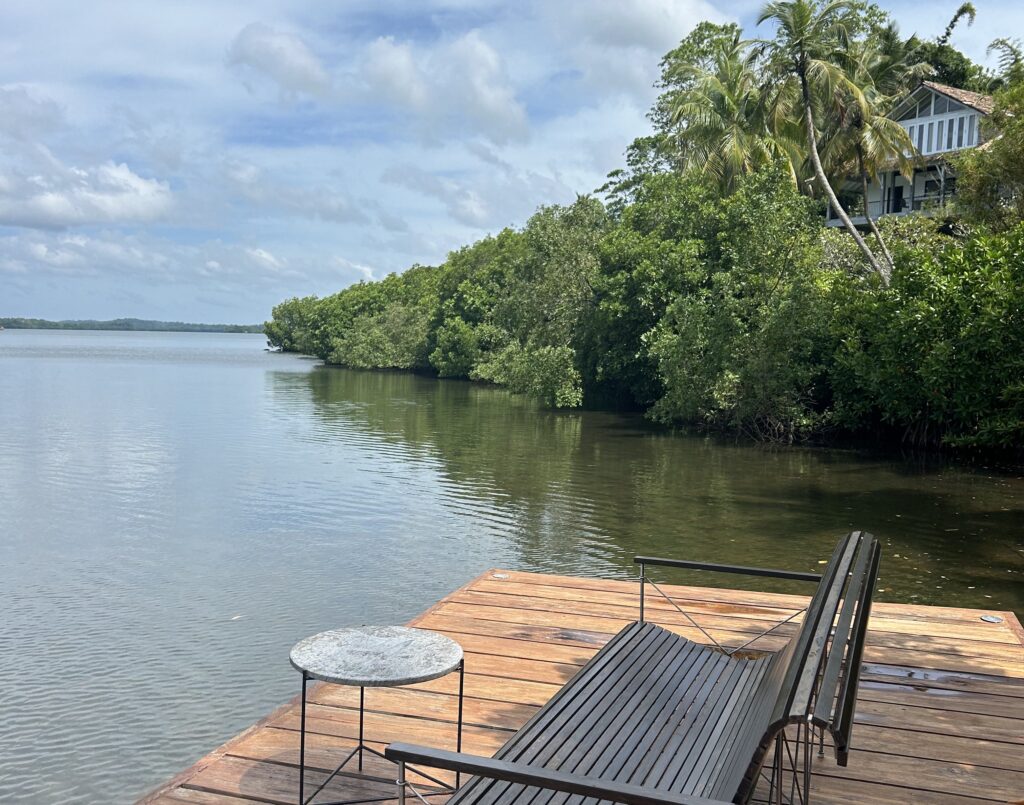
Kurulu Bay is a private sanctuary built alongside Koggala Lake in the South of Sri Lanka

Kurulu Bay (Sinhalese for “bird island”) is a private sanctuary built alongside Koggala Lake, one of the island’s largest expanses of water, just slightly in-land, located in the South of Sri Lanka. The lush surroundings of this tropical retreat are filled with loud and lively creatures that hoot and call, and you would forgive yourself for thinking you’d arrived in Sri Lanka’s jungle rather than a water-front resort. Yet the expanse of the calm lake, and the incredible sunsets she offers, ensure Kurulu Bay is as serene and tranquil a destination as you had hoped for.

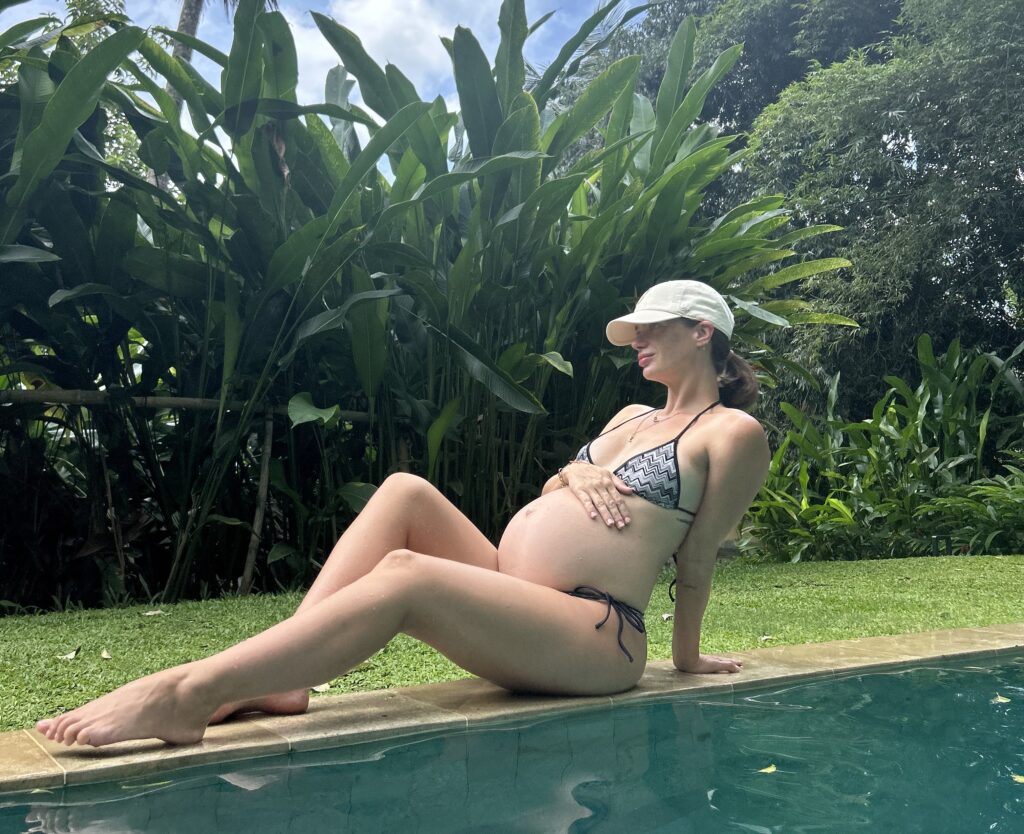
For my baby moon, switching off was of paramount importance for me. Removing the temptation of busy street markets and the surfing tourists we normally encounter in Sri Lanka, Kurulu Bay made it easy for us to really relax. With only 14 suites and cottages, it felt nicely quiet. Commissioned to Shanghai based, award-winning architects A00, each suite allows for a sense of intimacy with nature.

We enjoyed private yoga sessions set on the terrace of the private residence, with a backdrop of the lake, and even more private spa treatments, with only 1 room for each of us available. The peace and quiet never felt empty, never felt boring. With two swimming pools, and a kitchen that boasts the most delicious sea-to-table homegrown recipes, it’s easy to see why Kurulu Bay’s whole resort is mostly booked out for private health and wellness retreats, with guests visiting from across the world. A long-weekend here (without our children) was honestly the perfect way to reconnect with each other, nature and ourselves.

Kurulu Bay is a private sanctuary built alongside Koggala Lake in the South of Sri LankaKurulu Bay is a private sanctuary built alongside Koggala Lake in the South of Sri Lanka.
Kurulu Bay is a private sanctuary built alongside Koggala Lake in the South of Sri Lanka.