Browsing Tag

Luxury

fashion

The future of winter fashion

Cukovy: Modular Puffers With a Sustainable Pulse

As the fashion landscape shifts, there’s a growing desire to look beyond the major players we’ve known for years. The future of style is being shaped by international independent brands, where slow craft, sustainable values, and fresh perspectives take centre stage. These smaller labels often bring the innovation and authenticity the industry needs, and Cukovy, a standout from Budapest, is exactly the kind of brand leading this new wave.

For conscious consumers searching for sustainable outerwear and ethical winter fashion, Cukovy offers a refreshingly transparent approach. Their puffer jackets use Responsible Down Standard (RDS) certified Hungarian goose down, ensuring warmth with animal welfare in mind. Every fabric is OEKO-TEX Standard 100 certified and REACH-compliant, meaning their materials are free from harmful chemicals and safe for both the wearer and the environment.
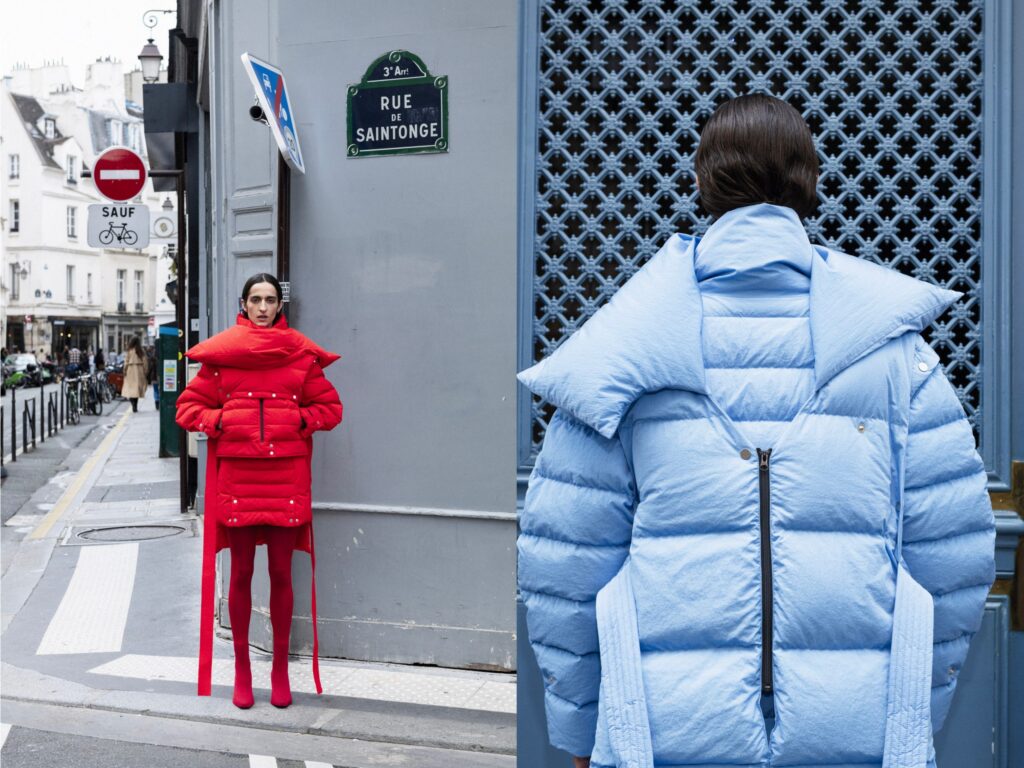
Crucially, Cukovy keeps its entire production local in Hungary, supporting artisans while reducing transport emissions which is a key element in truly sustainable fashion.

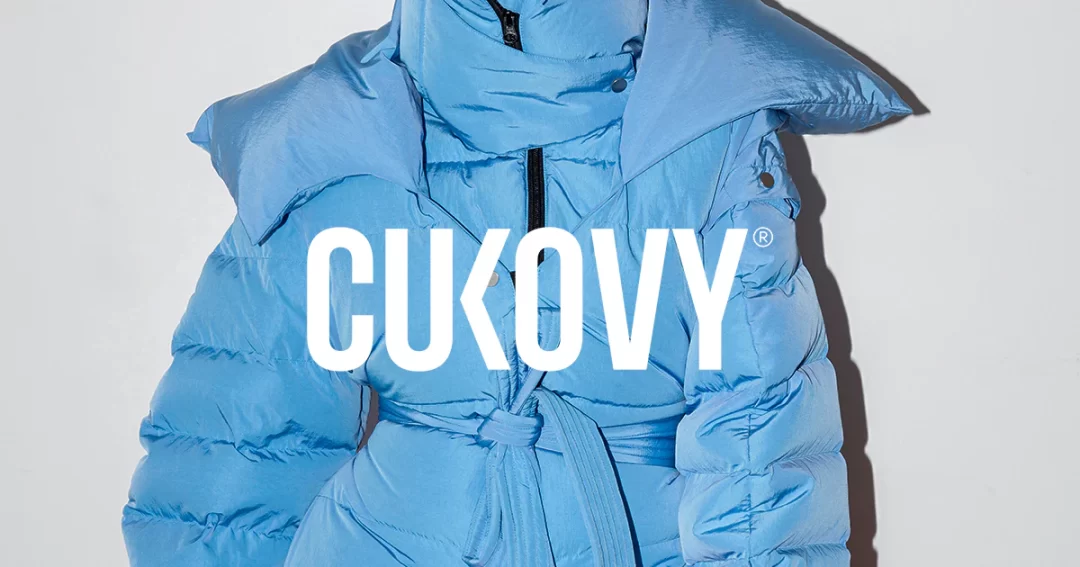
What truly sets Cukovy apart is its unique modular design, a game-changing concept in the world of luxury puffer jackets. With detachable sleeves, removable hoods, and interchangeable features, each jacket becomes a personalised expression of style. It’s versatile, functional, and incredibly fun to wear.

This modularity isn’t just aesthetic; it offers a more circular approach to style by extending the life of each piece. Instead of buying new, you simply reconfigure the one you love.

From the sculptural Erin to the adjustable, city-friendly Ira, Cukovy’s designs balance practicality with bold, architectural silhouettes. Their mix of glossy textures, warm neutrals, and statement shapes gives each piece a distinctive edge, making them ideal for anyone seeking fashion-forward winter wear that stands out from the crowd.

Why Cukovy Matters Now…

In a world of mass-produced sameness, Cukovy champions a future built on craft, intention, and originality. Their jackets are warm, adaptive, and genuinely sustainable, but more than that, they reflect a new kind of fashion ecosystem worth supporting: small, ethical, and globally minded.

fashion

Enso brings mindfulness to luxury

In an age where jewellery can feel overly ornate, mass-produced, or superficial, Enso Design Lab offers something altogether more grounded. Based in Dubai and helmed by Ani Han, this design studio and jewellery brand marries minimalist elegance, mindfulness, and ethical craft, a combination that feels deeply modern and quietly powerful.
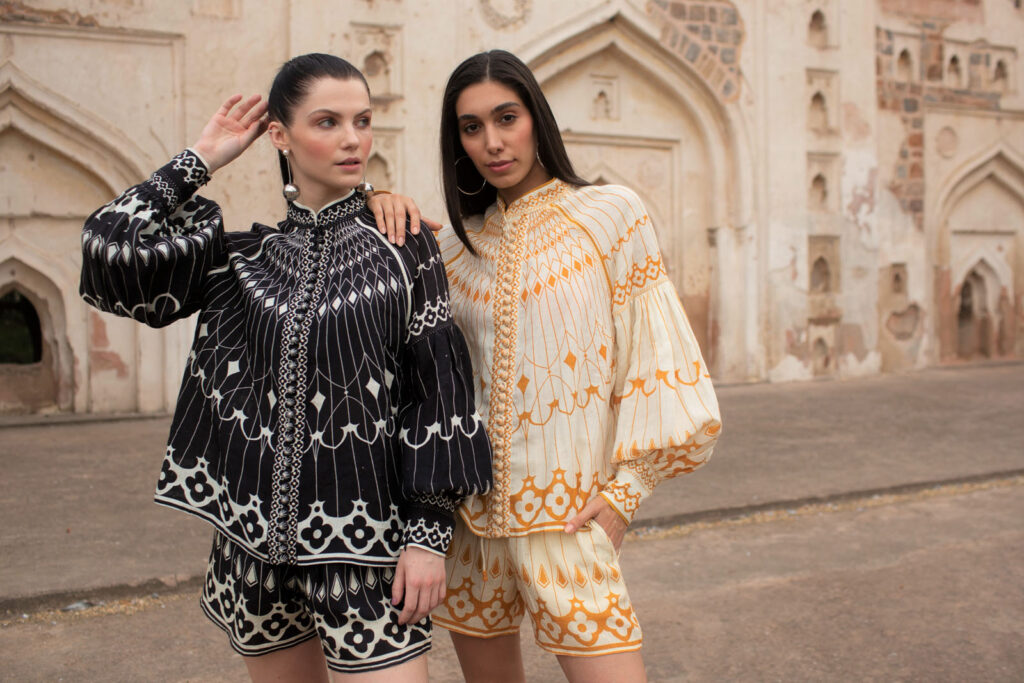
The name “Enso” is drawn from the Zen brushstroke… a single, circular mark that evokes enlightenment, presence, and the beauty of imperfection. This visual metaphor is woven into the very soul of the brand: their pieces aren’t just accessories, but reminders of presence, balance, and inner clarity. In her journey from a career in banking to jewellery design, Ani Han frequently cites meditation and self-reflection as central to her creative process.

Sustainability is not an afterthought, it’s integrated into how they design, source, and produce. Bulat Han, the brand’s founder, emphasizes responsible production and materials that both endure and feel thoughtful.

Working with skilled artisans around the world, selecting materials and finishes that are high quality and made to last. Rather than “fast fashion jewellery,” their pieces are part of what they call Studio Editions: sculptural, refined objects made to be kept and treasured. 

In a world of throwaway fashion, Enso Design Lab feels like a quiet revolution: a brand reminding us that sophistication doesn’t always need to “pop.” Sometimes, it just needs to be.

Eco Friendly

New launch: Sustainably designed apartments in Dubai

Dubai is hot property. Real estate transactions reached a record 180,987 deals in 2024 (up by a huge 36.5% from the prior year). Post-pandemic we saw unprecedented growth and average home prices rose 33%.

So I’m wondering where could you invest if (like me) you’re looking for something with a little more sustainability in mind?

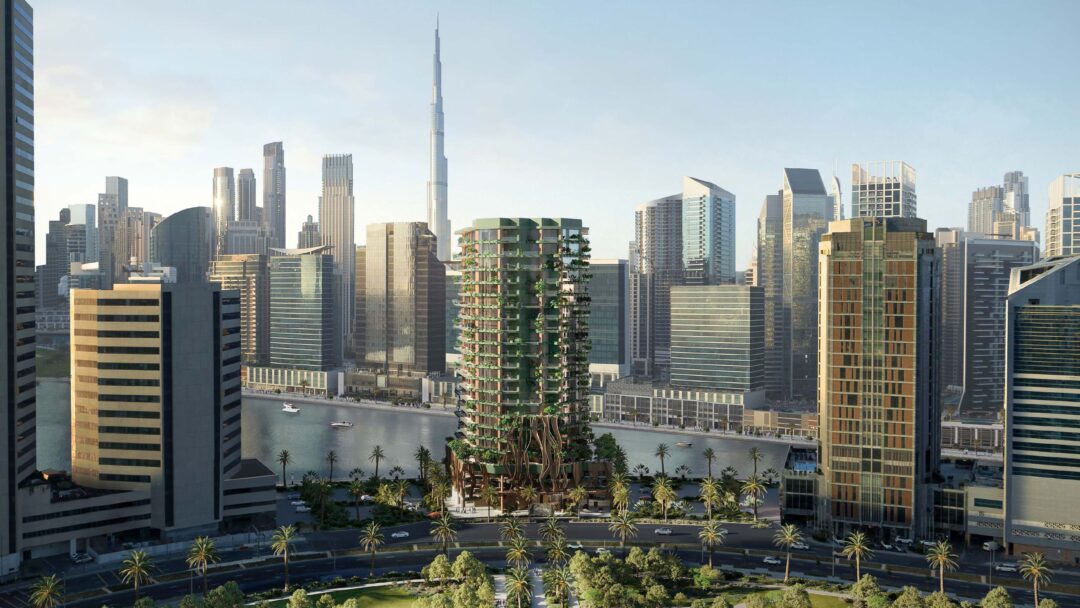
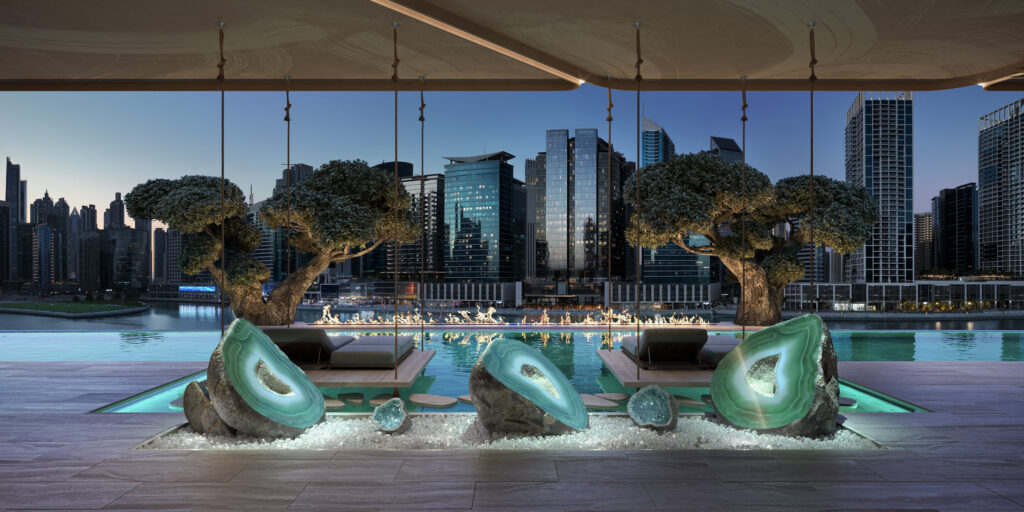
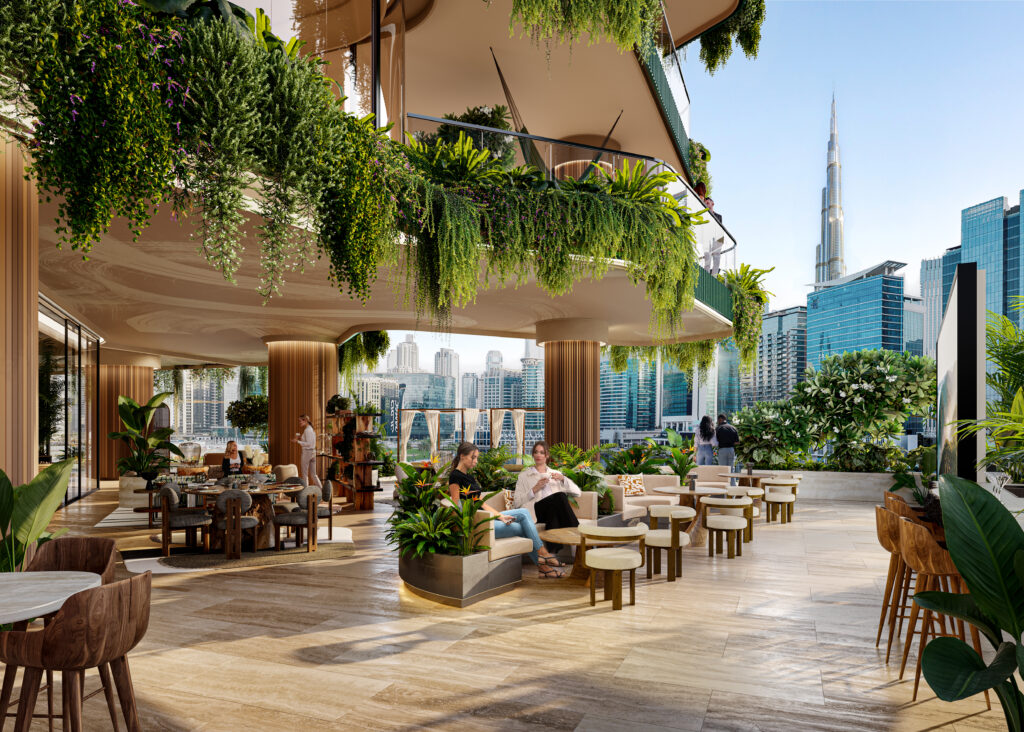
Meet Eywa. Inspired by the Tree of Life, Eywa is offering innovative wellness spaces, tech-savvy environments and all under an organic canopy grounded in weaving roots, with a floating oasis to boot. EYWA is the first building in the UAE and one of the few globally to achieve both LEED Platinum and WELL Platinum certifications.

A self-professed sanctuary, Eywa combines the venerable design principles of Vastu Shastra with the latest technologies to harmonies the building’s energies. USP’s include crystal gardens, living drinking water systems, and crystallized water pools with cascading waterfalls on every terrace.

A strong advocate for green development, sustainability, and anti-consumerism. By implementing energy-efficient systems, they aim to reduce energy consumption by at least 40% compared to traditional designs and standards. 

They exclusively use durable, high-quality materials that meet LEED Platinum and WELL Platinum requirements for both exterior and interior design, aligning with their anti-consumerism principle and contributing to a reduced carbon footprint. 

For the detail-orientated, Eywa offers; a dedicated residents community space, private terraces with dining area and hammocks, generous storage and service spaces, European sanitary ware, European kitchen appliances with high energy rating, signature stone countertops, fully customized sustainably produced kitchen joinery, natural stone & engineered wood flooring and private waterfalls and pools AND a community library featuring over 2,500 curated books… of course.

This exciting project, located in Dubai’s Business Bay area, is set to be completed in Q2 of 2026 by R.Evolution, the real estate developer with over 25 years of experience.

Eco Friendly travel

Luxury eco-resort focuses on going green under the sea

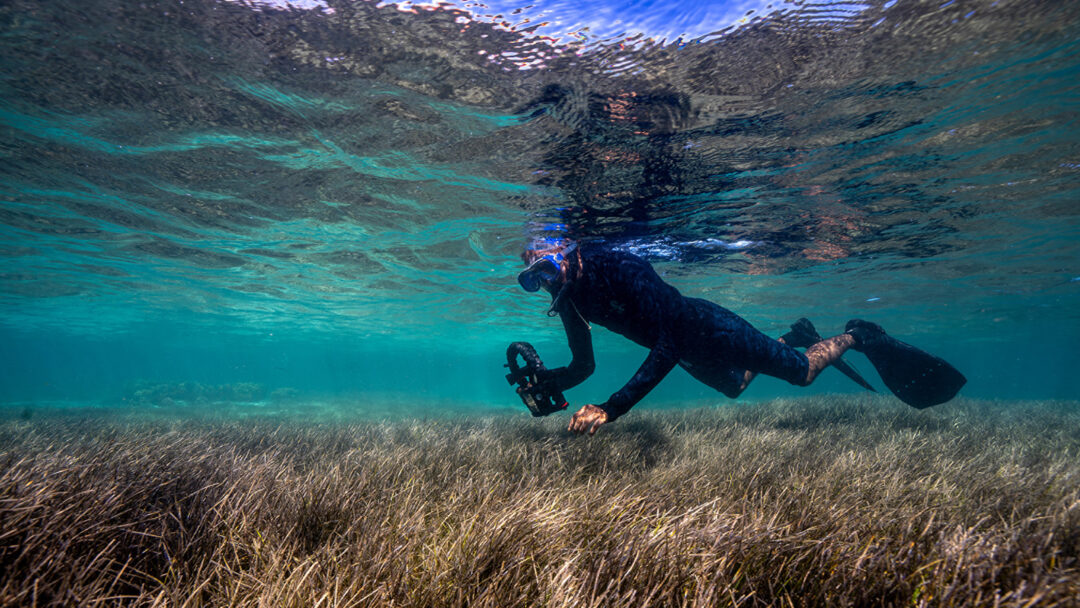
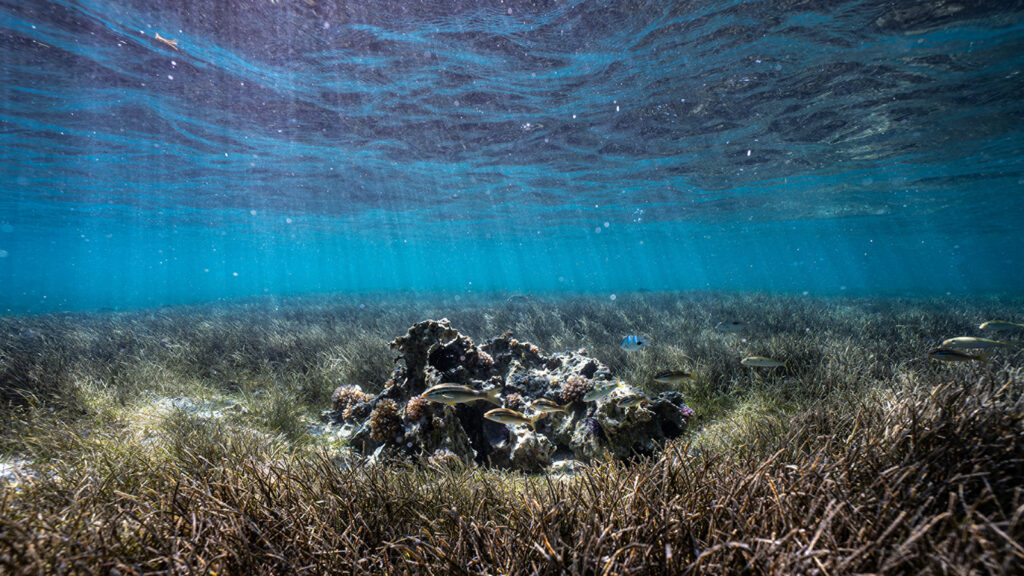
Four Seasons Mauritius at Anahita is ensuring a sustainable future with the region’s first seagrass meadow nursery. The first resort in the Indian Ocean to develop such a project, the nursery is located in a one-meter-deep (40 inch) saltwater body near the dining facilities, and is currently hosting more than 200 herbivore and omnivore fish.

Through photosynthesis, seagrasses remove carbon dioxide from the water and use the carbon to build their leaves and roots. Plant material that collects on the low-oxygen sediment on the ocean floor decomposes much slower than on land. Seagrass provides food and shelter for many organisms, and are a nursery ground for many prawn and fish species. All of this increases tourism (through activities like bird watching and scuba diving), the cleaning of coastal waters and sediment stabilisation.

This initiative is part of the Blue Carbon Ecosystems Project: Restoration of Blue Carbon Ecosystems, which is currently led by the Odysseo Foundation, a local trust developing marine conservation projects in Mauritius. 

Rick-Ernest Bonnier, the Resort Ocean Environment Manager, explains: “The Seagrass Nursery is a pilot project that aims to restore the seagrass meadows in the marine area around the resort. Both transplants and seeds will be collected from the wild and used to create a seagrass nursery in the resort’s Barachois. Seeds will be germinated in an Odysseo lab and the developed seedlings will then be transplanted to the resort’s Barachois until maturity.”

“These ecosystems provide essential services for humanity as they are highly efficient carbon sinks, crucial in the fight against global warming; they serve as important fish nurseries, whose loss would threaten many species that are vital food sources for marine life and island nations, such as Mauritius.” Bernardo Nascimento, Odysseo Foundation Manager, Curator and Head of Education.

The Seagrass Nursery project is one of many ways that Four Seasons guests can engage with the local environment, alongside resort nature walks and their seahorse snorkel.


Beauty

Green dentistry with Dr. Apa

Smiling for all the right reasons after a Q&A with Hollywood’s smile specialist Dr. Apa.

If you don’t know the name by now, Dr. Apa is famed for creating those perfect smiles you see on celebrities like Jennifer Lopez, Kendall and Kylie Jenner, Uma Thurman, Kyle Richards to the Olsen Twins, and more. Focusing on minimally invasive cosmetic dentistry and smile makeovers that are more than just a set of veneers.

Here’s what he has to say about an industry that’s not often known for focusing on sustainability, but like any other, has waste to manage and greenwashing to navigate.

How do you integrate more sustainability within in your practice?

There are different ways to think about sustainability. The most obvious way I integrate it into my practice is by ensuring precision and longevity in our work. Limiting the need for redos reduces material waste, lab work and unnecessary procedures. We are continually finding ways to integrate technology into our workflow, without compromising our signature aesthetic. By digitizing some of the early steps in a smile makeover, we can minimize material waste.      

Is there any greenwashing within the industry to be aware of?

Like any industry, dentistry isn’t immune to marketing buzzwords. There’s a lot of talk about ‘natural,’ ‘eco-friendly,’ and ‘biocompatible’ materials, but not all of it is backed by real science. I always encourage patients to ask for transparency—what’s actually in the products, how they perform, and whether they truly deliver on their promises. At the end of the day, our focus should be on both aesthetics and long-term oral health, using materials and techniques that are safe, effective, and backed by research.

How do you encourage a more sustainable mindset for your patrons?

Sustainability in dentistry starts with making choices that last. My approach has always been to use the highest quality materials and techniques to create smiles that stand the test of time, reducing the need for frequent replacements or corrections. We also educate our patients on proper oral care, so they can maximize their results. 

With toothbrushes being one of the biggest single use plastic products out there, how would you suggest we reduce our footprint here? (What do you think of alternative products?)

It’s true that toothbrushes contribute to plastic waste, but the key is finding a balance between sustainability and effectiveness. While there are bamboo and biodegradable options out there, not all of them provide the same level of performance when it comes to truly maintaining oral health. My recommendation is to invest in a high-quality electric toothbrush with replaceable heads—this reduces overall waste while ensuring the best care for your teeth.

Has AI helped shape your practice moving forwards?

There is a lot of potential with AI but it’s all still a work in progress. Technology, in general, is an incredible tool, but the human element—our expertise, creativity, and attention to detail—will always be at the heart of what we do.

What other advances are helping to ensure more effective dentistry for 2025?

Dentistry is evolving fast, and 2025 is bringing even more exciting advancements. We’re seeing major improvements in digital scanning, AI-driven diagnostics, and 3D printing, which allow for more precise, customized restorations with faster turnaround times. Minimally invasive techniques are also becoming more sophisticated, helping us preserve more of the natural tooth structure while achieving incredible aesthetic results. We’re experimenting with digital wax-ups as a more efficient preview of the patient’s new smile. Ultimately, the goal is to make treatments more efficient, long-lasting, sustainable, and patient-friendly without compromising on quality or artistry.

fashion

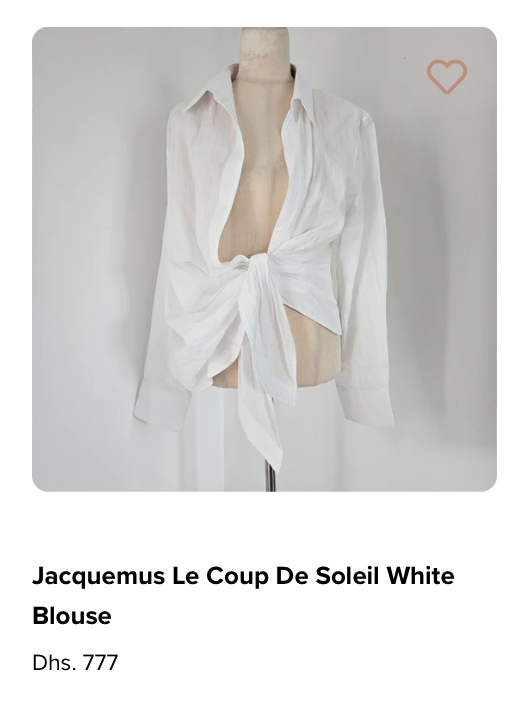
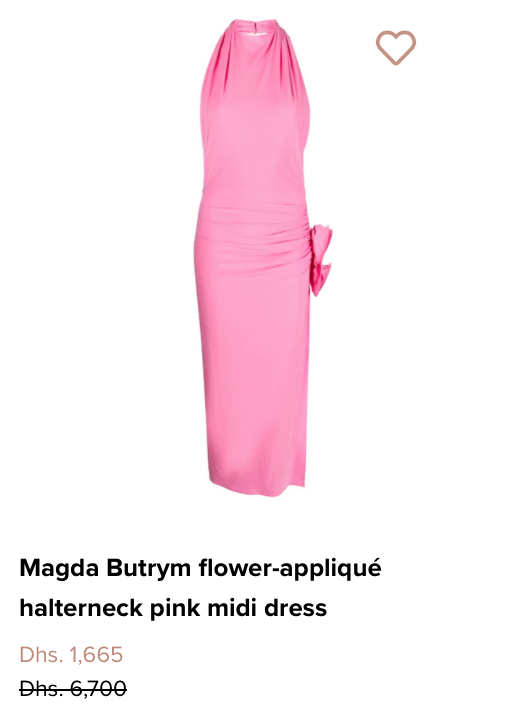
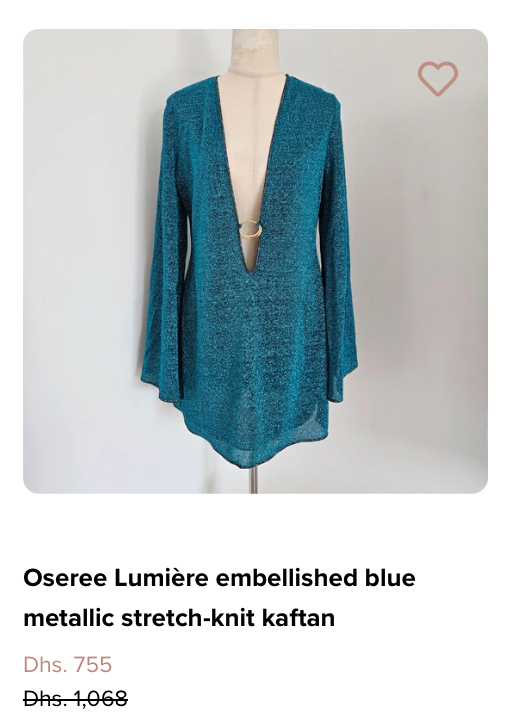
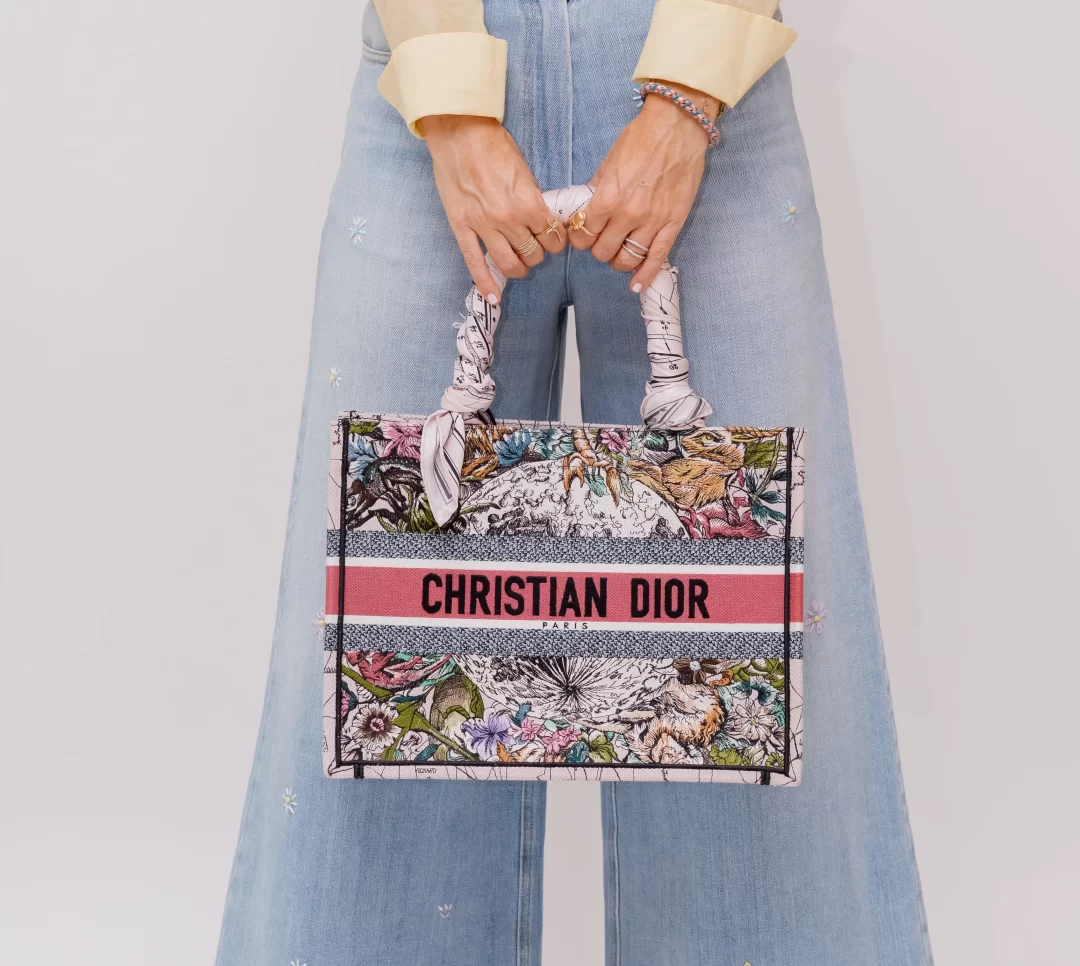
My wishlist this week… from Bopf

Summer is starting to peak its head round the corner so I’m starting to think in a bit more colour. Here’s my wishlist from businessofprelovedfashion.com (Bopf) with the South of France in mind.

Bopf is a locally based second life luxury website run by Diza and Ify—a husband-and-wife team whose passion for fashion sees them ‘moving Birkins, Kellys, and everything in between.’

fashion

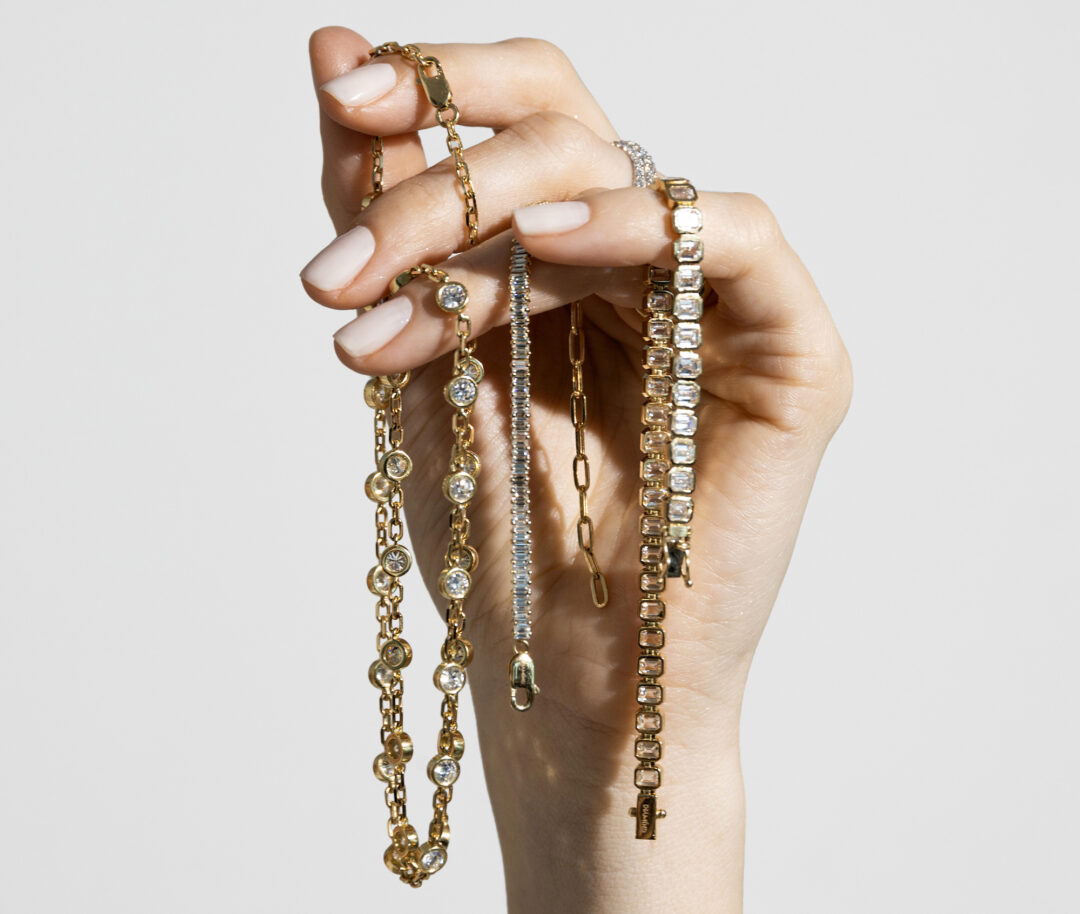
Hannah Rasekh x Diamind: The Celestial Collection

A beautiful Iftar at The Guild celebrated the launch of ‘The Celestial Collection’, a collaboration between locally based lab-grown diamond specialists Diamind and Jordanian/British Hannah Rasekh. “A tribute to the infinite beauty of the cosmos” Crafted using lab-grown diamonds set in 18-carat gold, the collection was inspired by the grandeur of the night sky, with designs that “reflect the shimmering constellations, radiant orbits, and the delicate interplay of light and space.

Lab-grown diamonds are identical to natural diamonds in every way, and according to Morgan Stanley, “lab-grown diamonds accounted for an estimated 14.3% of total diamond supply in 2024.”

With a continued projected increase in market share for 25-26, investing in lab-grown is also the most environmentally friendly way to increase your luxury accessories game, as it produces only a fraction of carbon emissions that mining natural diamonds does.

Lab-grown gems are also more affordable and becoming more popular – last year alone, according to the diamond industry analyst Edahn Golan, 45.3% of the diamond engagement rings sold in the US had lab-grown diamonds in.

fashion

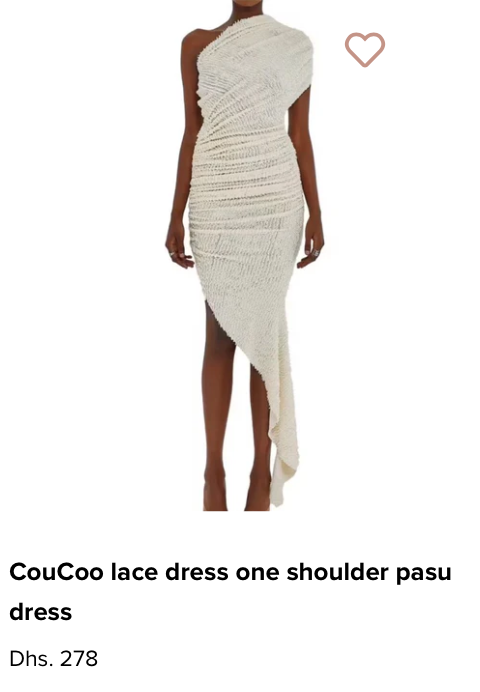
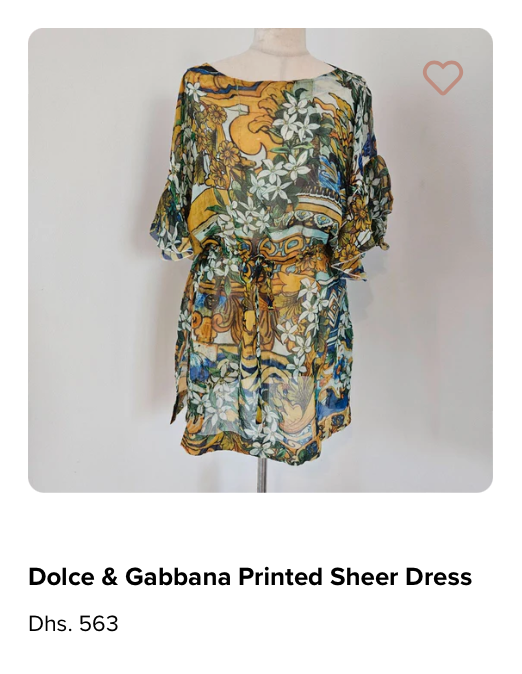
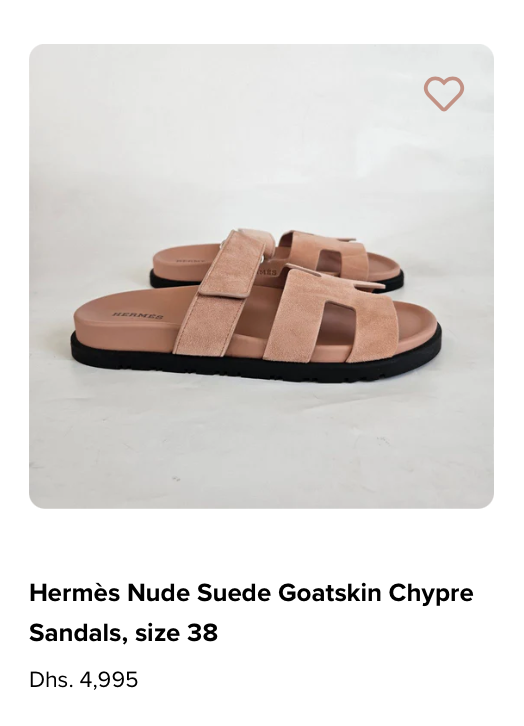
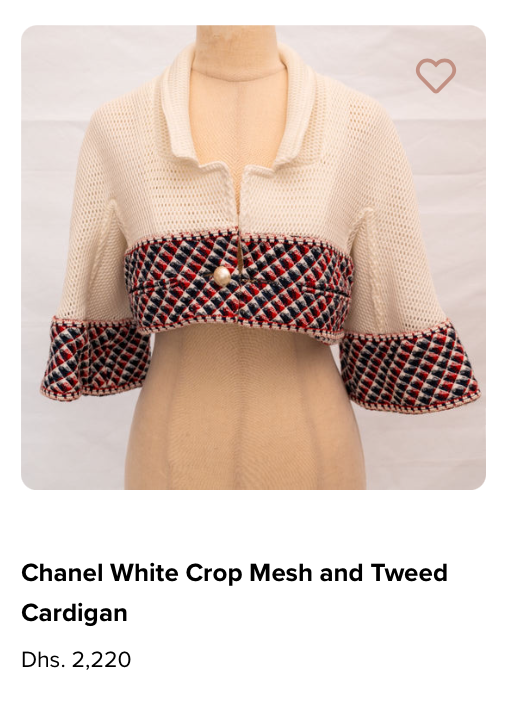
Dubai’s second-hand luxury retail outlets

Shoppers in Dubai are among the most connected in the world, with an internet penetration rate of 99 percent. But as much as online shopping offers us the at-home or on-the-go ease of perusing what’s in store, without having to actually be there, rates of return items are increasing.

Why is this a concern? Returns don’t just double the journey of our purchases; they exponentially increase their carbon footprint. Shipping and returns collectively account for 37% of total greenhouse gas emissions in the retail industry, and returns alone add an additional 30% to the carbon emissions of the initial delivery.

So whilst we have precious few opportunities to be self-indulgent nowadays, making the effort to go in-store and actually try on items we like is actually helping to make you a more sustainable shopper! Plus, there’s nothing that compares to the sensation of feeling the quality of clothing on a rail IRL.

Here’s where you can visit in Dubai for a second-hand luxury experience:

Garderobe

La Suite

The Closet

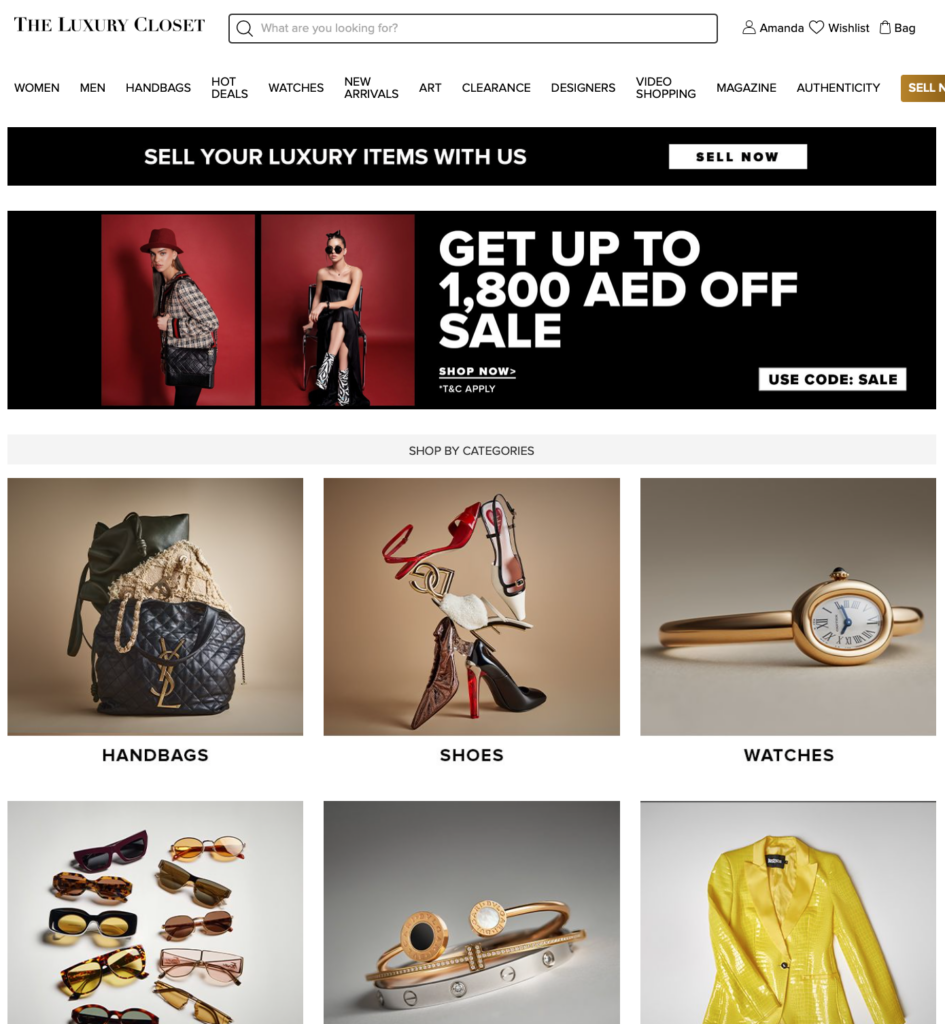
Galleries Lafayette x The Luxury Closet

fashion

My wishlist this week… from TheLuxuryCloset.com

In a world of dupes, I much prefer shopping for original, vintage or a piece of heritage.

Second hand shopping needn’t be something to be ashamed of… it’s a crucial way to shop sustainably and often, the only way to find items that have long since sold out in store or been out of your reach financially too. 

40% of all apparel items purchased in 2023 were secondhand. In 2023, the global market value of secondhand and resale apparel was estimated to be worth 197 billion U.S. dollars. 65% of the projected secondhand market growth through 2028. 

I am offering a round up of the pieces that have caught my eye each week to help make it a little easier for you to get on board (if you haven’t already done so!)

Here’s what I’ve got in my wishlist from TheLuxuryCloset.com

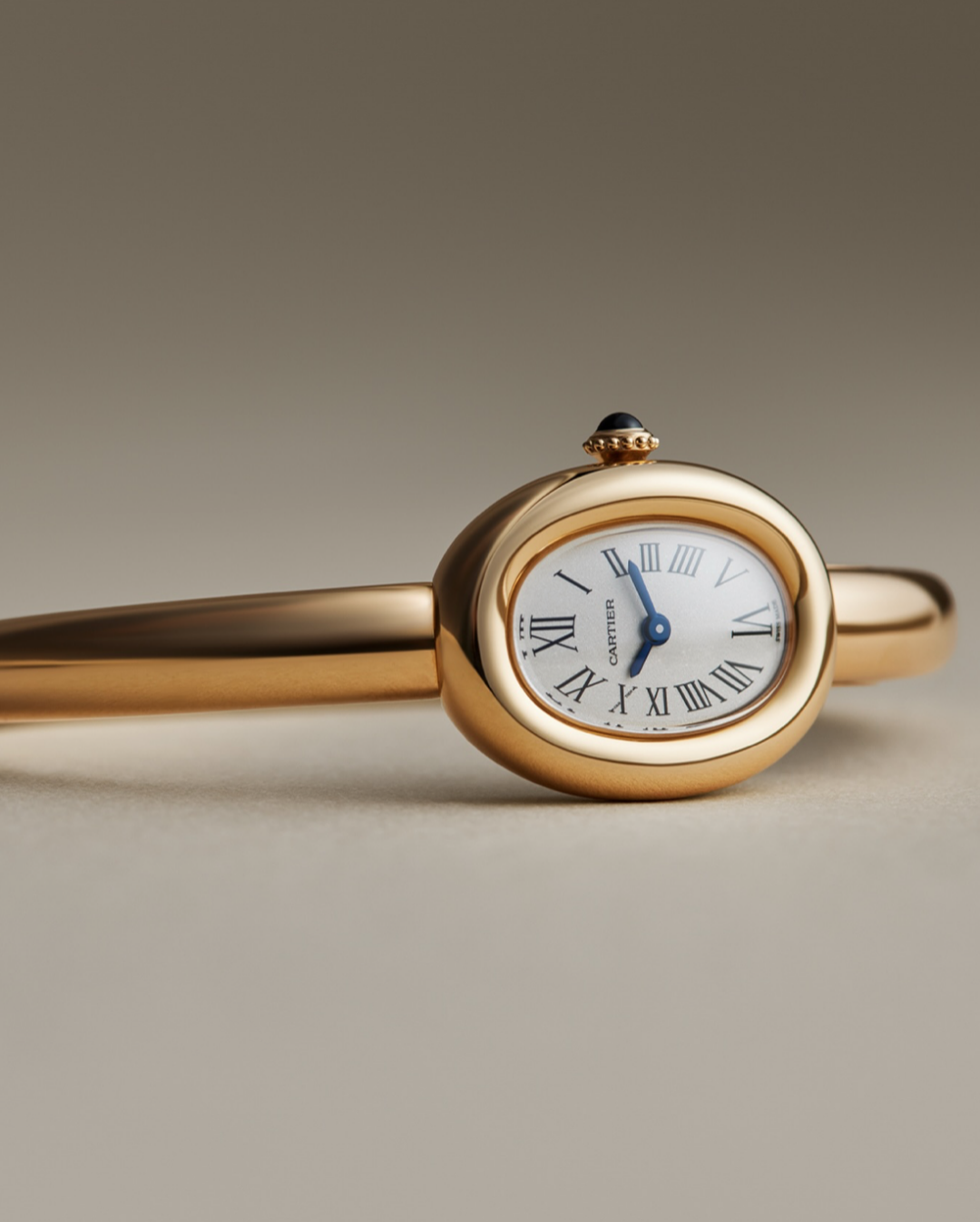
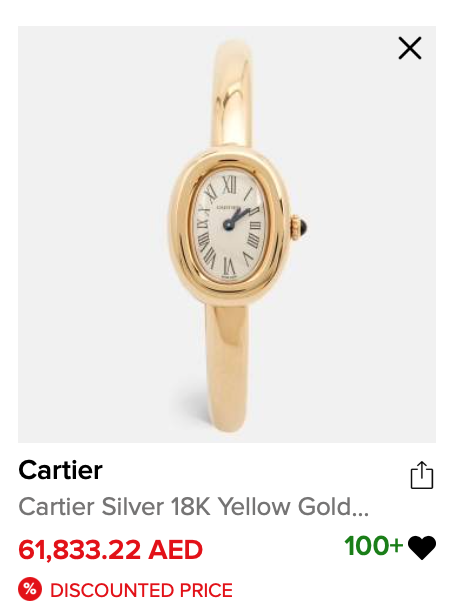
This stunning Cartier silver 18K yellow gold Baignoire watch

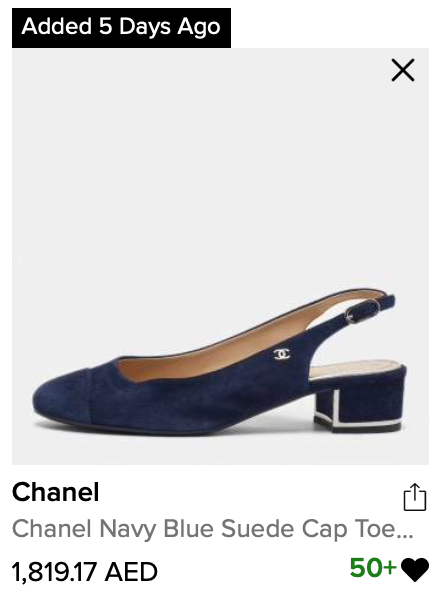
Just my type… Chanel navy blue suede cap toe CC slingback pumps in a size 38

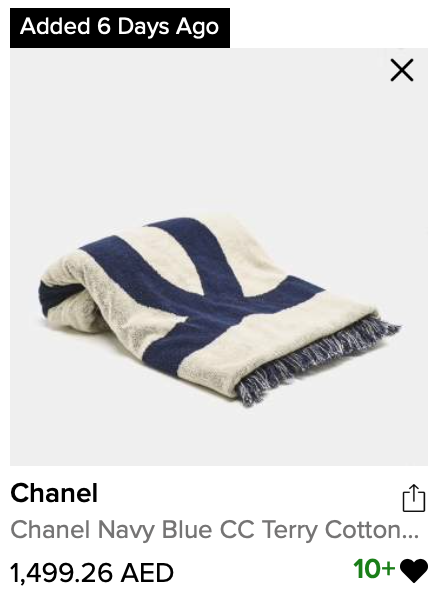
Ready to hit the J1 beach clubs with this one… Chanel navy blue CC beach towel

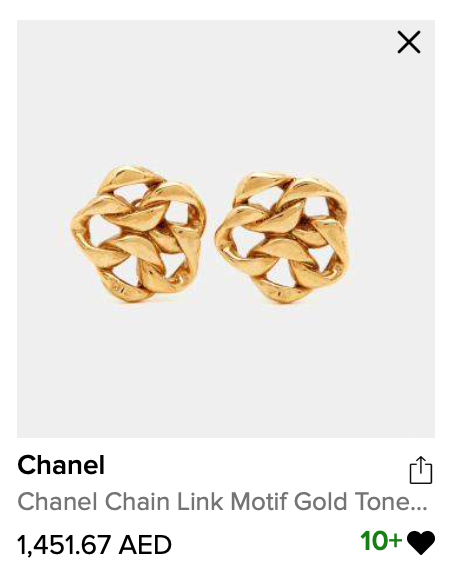
There’s a theme this week clearly… but can’t go wrong with these vintage looking Chanel gold earrings!

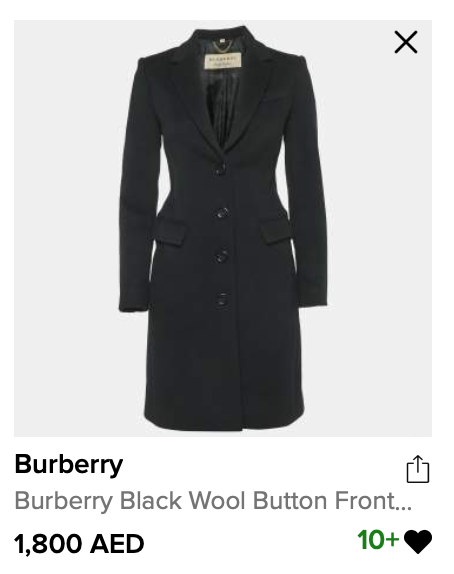
Officially on my wishlist after the London show… a Burberry wool coat!

Throwing this one in for fun…

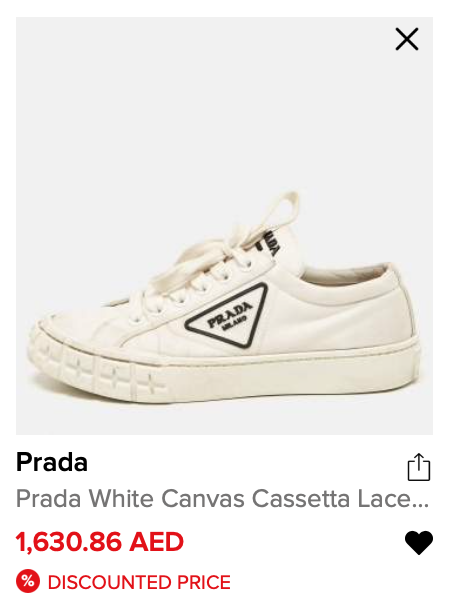
Everyone needs a pair of plain white sneakers, might as well make them Prada

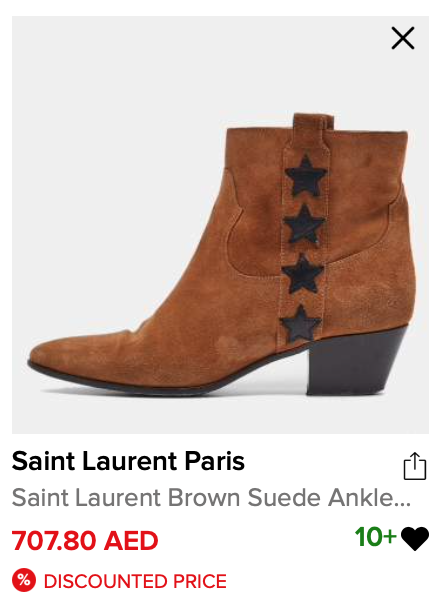
Getting ready for Vegas with these cute SL ankle boots!

fashion

Scarlett Poppies artisanal resort wear

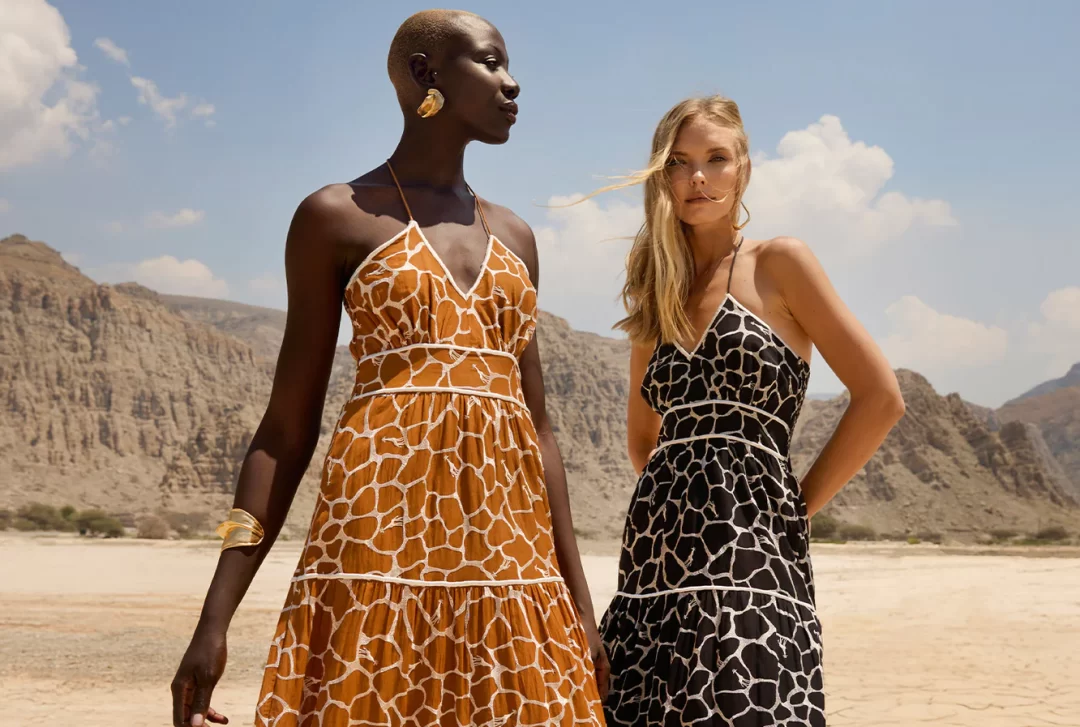
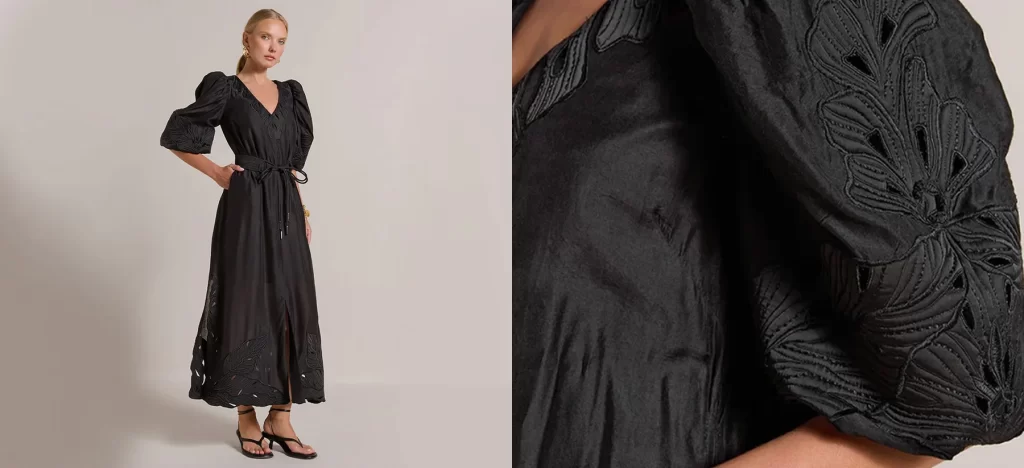
From Sweden to the Middle East, Scarlett Poppies elegant resort wear offers a timeless array of beautiful dresses, kaftans and co-ords, heavenly adorned with artisanal detailing. The collections are designed by a mix of designers from different corners of the world via sustainable production methods.

Each collection will always showcase unique embroidery techniques and other handmade elements, ensuring that jobs are created in the garment industry, rather than removed by modern machines replacing skilled artisans. Using and promoting this range of unique embroidery traditions and skillsets, keeps them alive for the future.

Scarlett Poppies collections range from dresses, tops, tunics, jumpsuits to true beach cover-ups such as kimonos and kaftan dresses etc. “Comfort and easy breezy materials are key.” With fabrics originating from nature such as; cotton, linen, silk and viscose – the latter generated from cellulosic pulp.

Using up stock fabrics from one collection to another helps to minimise waste. Wherever possible they choose organic fabric options rather than conventional, as well as fabrics that are locally available and produced in the country where the collection is manufactured, to avoid increased carbon footprints within the supply chain.