
Browsing Tag

Sustainable

fashion

Hannah Rasekh x Diamind: The Celestial Collection

A beautiful Iftar at The Guild celebrated the launch of ‘The Celestial Collection’, a collaboration between locally based lab-grown diamond specialists Diamind and Jordanian/British Hannah Rasekh. “A tribute to the infinite beauty of the cosmos” Crafted using lab-grown diamonds set in 18-carat gold, the collection was inspired by the grandeur of the night sky, with designs that “reflect the shimmering constellations, radiant orbits, and the delicate interplay of light and space.

Lab-grown diamonds are identical to natural diamonds in every way, and according to Morgan Stanley, “lab-grown diamonds accounted for an estimated 14.3% of total diamond supply in 2024.”

With a continued projected increase in market share for 25-26, investing in lab-grown is also the most environmentally friendly way to increase your luxury accessories game, as it produces only a fraction of carbon emissions that mining natural diamonds does.

Lab-grown gems are also more affordable and becoming more popular – last year alone, according to the diamond industry analyst Edahn Golan, 45.3% of the diamond engagement rings sold in the US had lab-grown diamonds in.

fashion

Dubai’s second-hand luxury retail outlets

Shoppers in Dubai are among the most connected in the world, with an internet penetration rate of 99 percent. But as much as online shopping offers us the at-home or on-the-go ease of perusing what’s in store, without having to actually be there, rates of return items are increasing.

Why is this a concern? Returns don’t just double the journey of our purchases; they exponentially increase their carbon footprint. Shipping and returns collectively account for 37% of total greenhouse gas emissions in the retail industry, and returns alone add an additional 30% to the carbon emissions of the initial delivery.

So whilst we have precious few opportunities to be self-indulgent nowadays, making the effort to go in-store and actually try on items we like is actually helping to make you a more sustainable shopper! Plus, there’s nothing that compares to the sensation of feeling the quality of clothing on a rail IRL.

Here’s where you can visit in Dubai for a second-hand luxury experience:

Garderobe

La Suite

The Closet

Galleries Lafayette x The Luxury Closet

fashion

My wishlist this week… from TheLuxuryCloset.com

In a world of dupes, I much prefer shopping for original, vintage or a piece of heritage.

Second hand shopping needn’t be something to be ashamed of… it’s a crucial way to shop sustainably and often, the only way to find items that have long since sold out in store or been out of your reach financially too. 

40% of all apparel items purchased in 2023 were secondhand. In 2023, the global market value of secondhand and resale apparel was estimated to be worth 197 billion U.S. dollars. 65% of the projected secondhand market growth through 2028. 

I am offering a round up of the pieces that have caught my eye each week to help make it a little easier for you to get on board (if you haven’t already done so!)

Here’s what I’ve got in my wishlist from TheLuxuryCloset.com

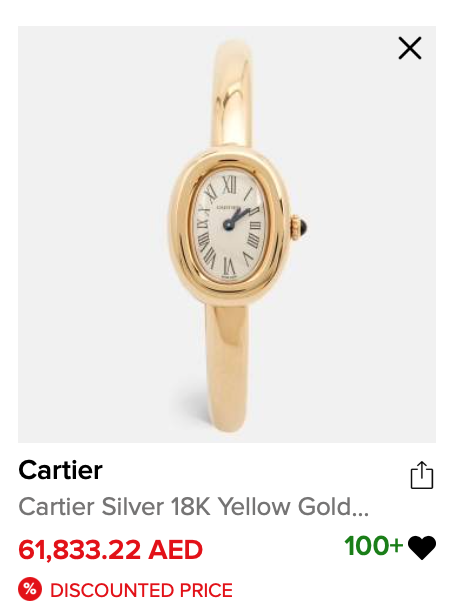
This stunning Cartier silver 18K yellow gold Baignoire watch

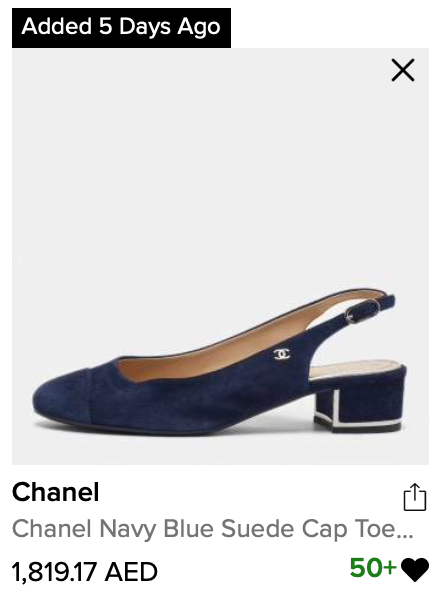
Just my type… Chanel navy blue suede cap toe CC slingback pumps in a size 38

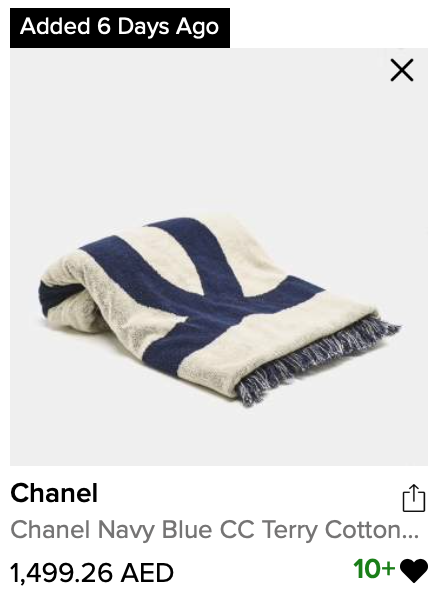
Ready to hit the J1 beach clubs with this one… Chanel navy blue CC beach towel

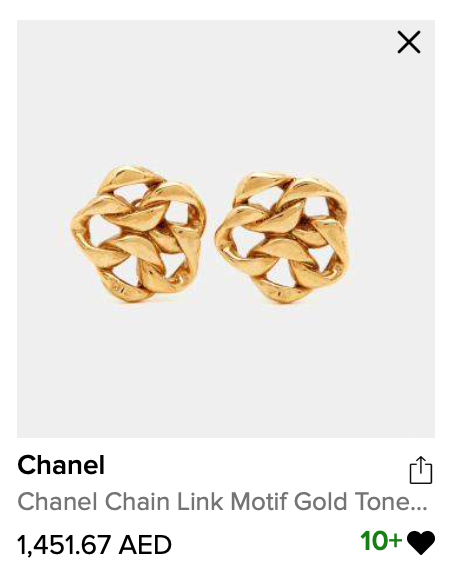
There’s a theme this week clearly… but can’t go wrong with these vintage looking Chanel gold earrings!

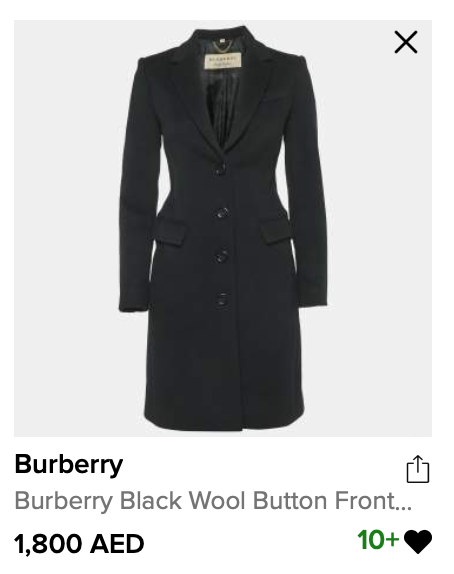
Officially on my wishlist after the London show… a Burberry wool coat!

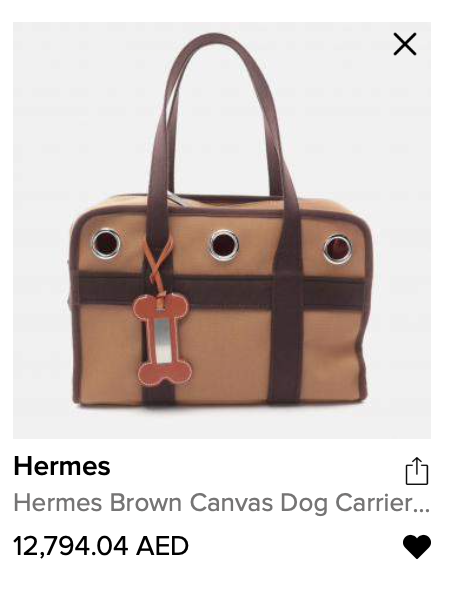
Throwing this one in for fun…

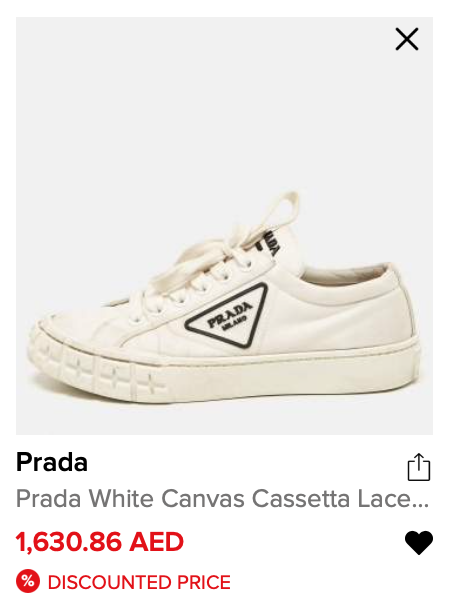
Everyone needs a pair of plain white sneakers, might as well make them Prada

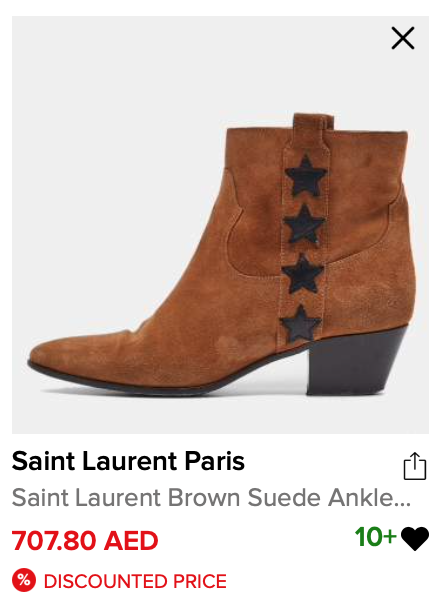
Getting ready for Vegas with these cute SL ankle boots!

travel

Dive into conservation at Sun Siyam Iru Fushi

If you prefer (like me) to keep active when on holiday, rather than a wellness retreat at Sun Siyam Iru Fushi, you can now immerse yourselves in a different kind of hands-on marine experience, one that is truly aimed at eco-minded adventurers.

For a change of mindset, why not enjoy the beauty of the Maldives and its aqua blue waters with a side of conservation?

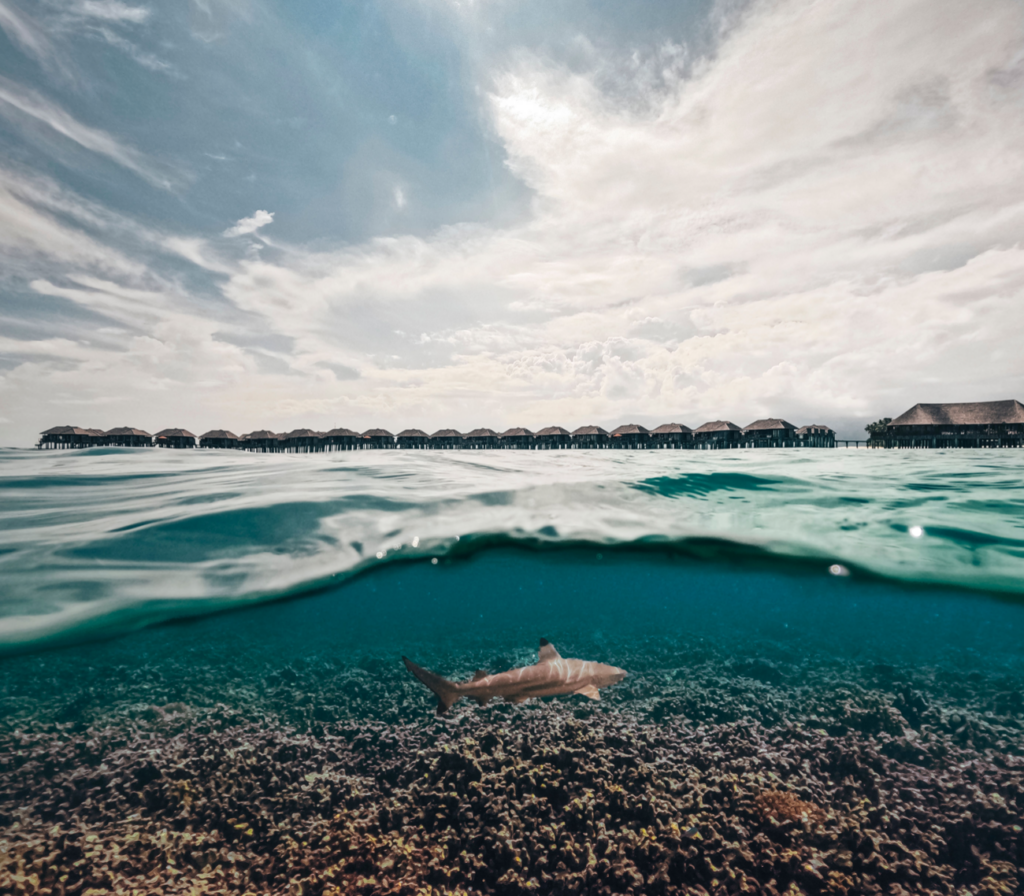
Despite producing a fraction of global emissions, the Maldives is adversely affected by the climate crisis. This archipelago is home to some of the most beautiful coral reef’s in the world, but due to over exploitation – fishing, tourism, pollution, coastal development and climate change – these reefs are degrading and losing their capacity to support the people who depend on them. Temperatures are increasing, which has caused issues like ocean acidification and loss of biodiversity throughout.

If you’ve ever dreamed of being a marine biologist (I know I have), this offering allows guests to actively engage in the protection of marine life, providing a unique and educational bio-adventure, focusing on the often overlooked natural ecosystem in this popular destination.

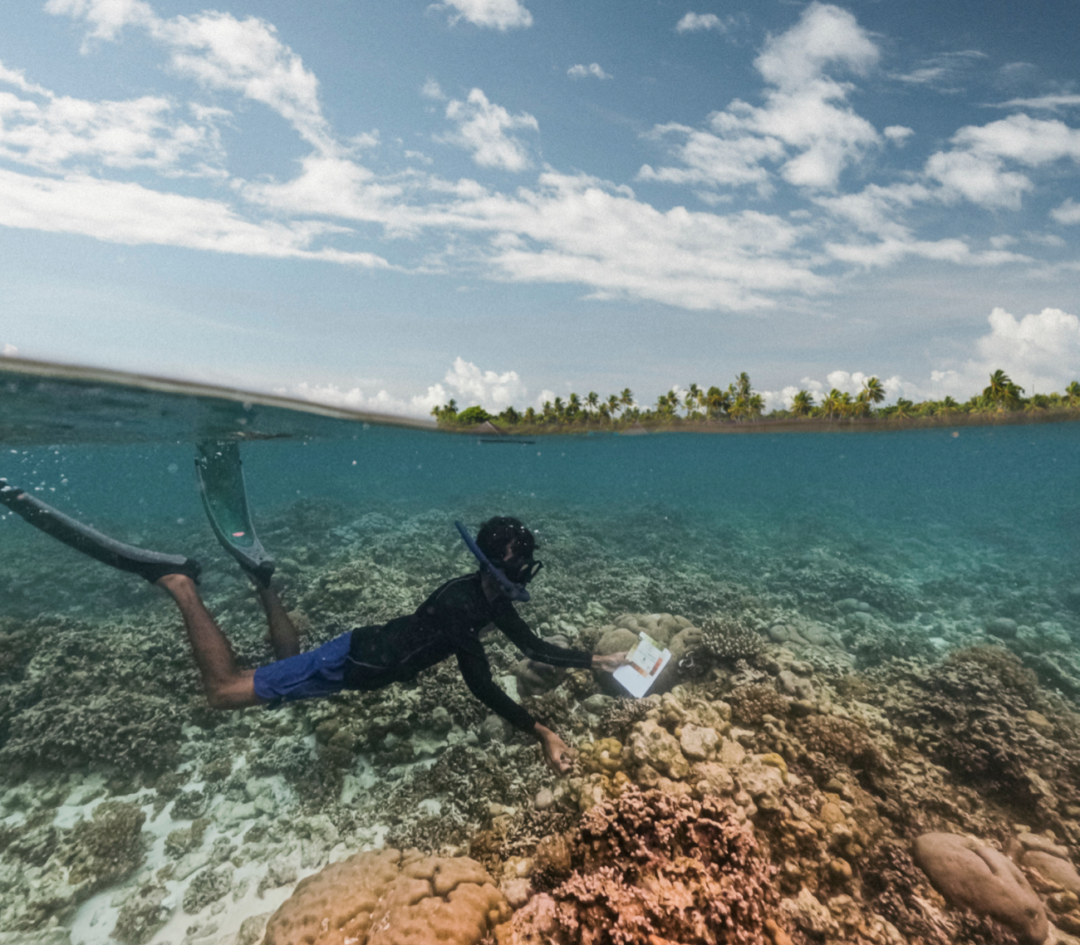
Dive into conservation snorkeling, guided by the resident marine biologist, Mohamed Shah, where you will collect essential data on coral health and fish populations using underwater fish guides, coral health charts, writing slates, and will learn to identify their native species.

Guests will aim to assess coral reef conditions, which is important because they represent the strategic natural offshore sea-defences, and contribute to protecting the local marine ecosystem. Findings will be discussed with their marine expert Shah, offering deeper insights into marine life at the Iru Fushi lagoon and house reef.


fashion

Scarlett Poppies artisanal resort wear

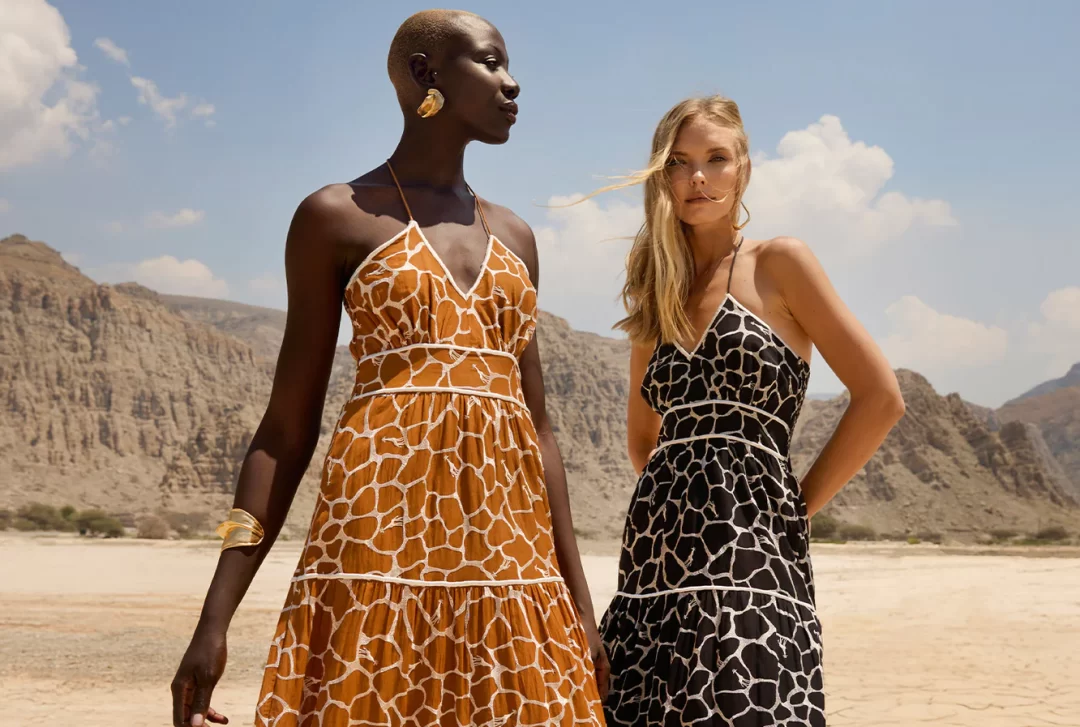
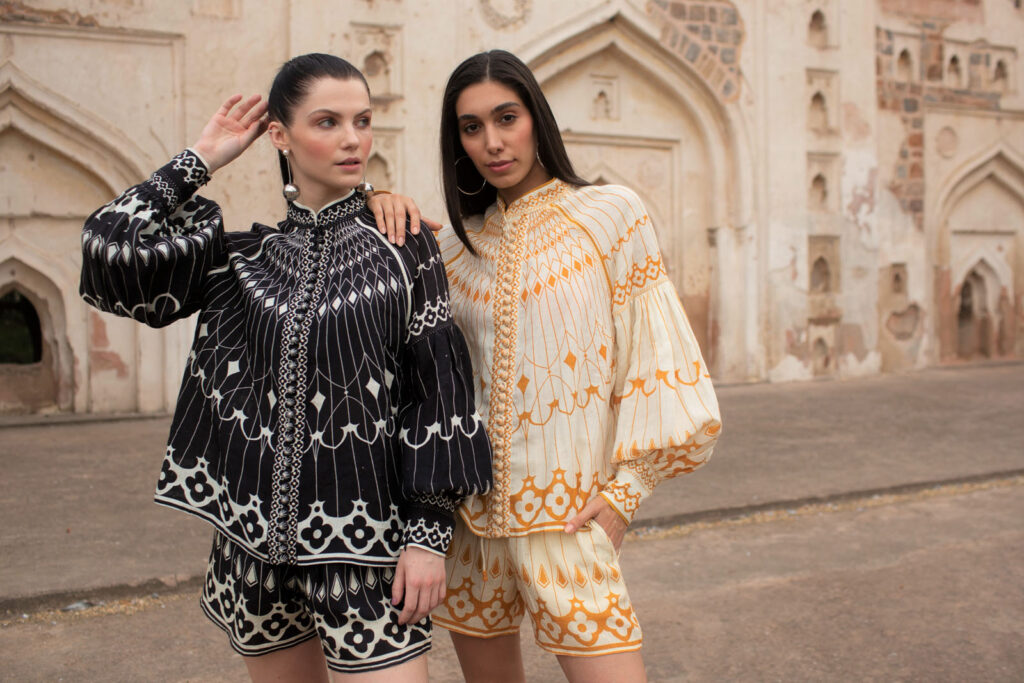
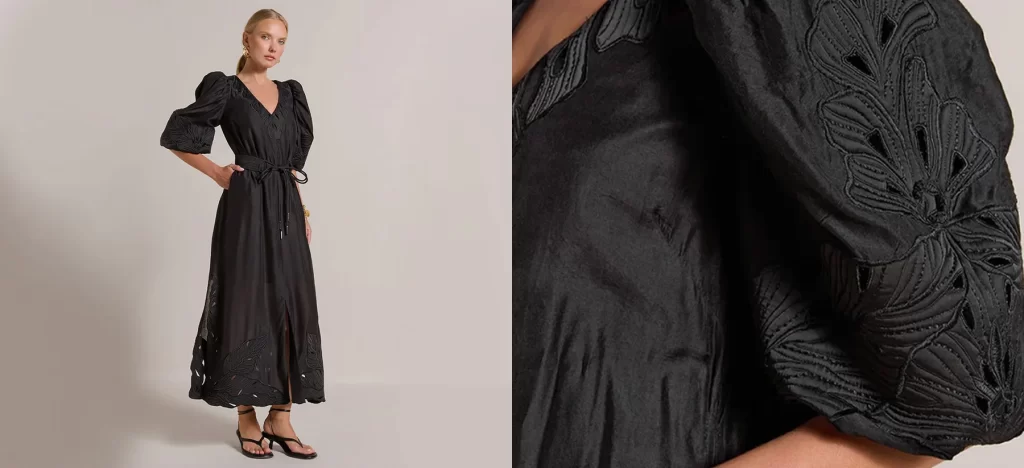
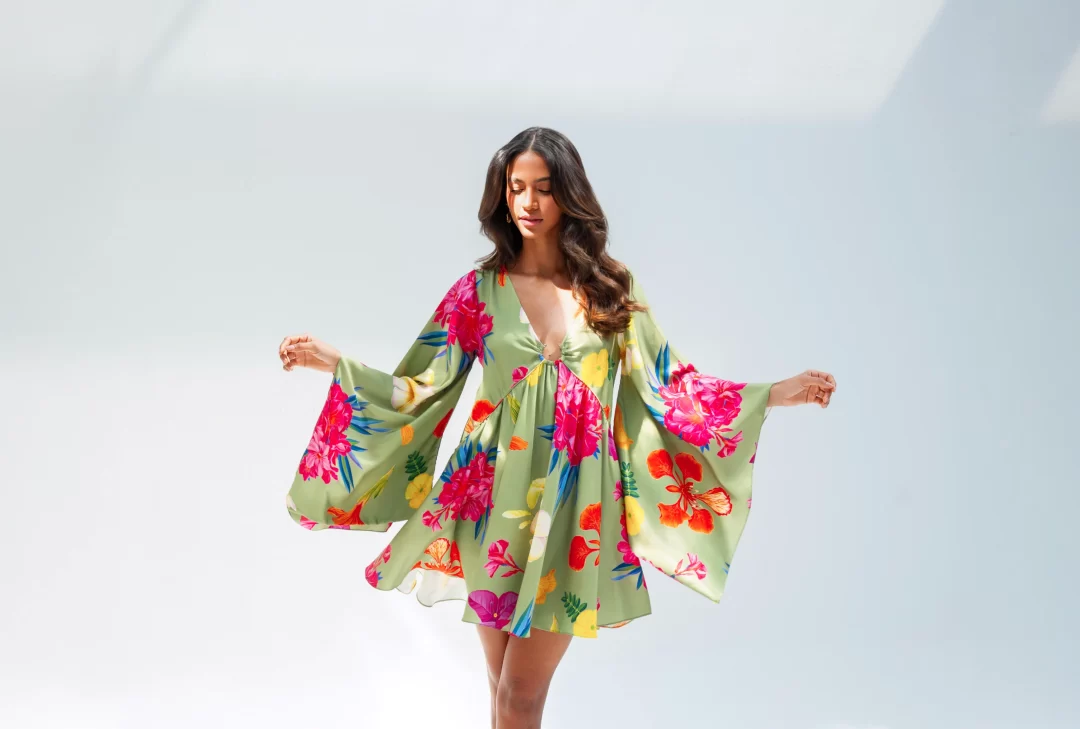
From Sweden to the Middle East, Scarlett Poppies elegant resort wear offers a timeless array of beautiful dresses, kaftans and co-ords, heavenly adorned with artisanal detailing. The collections are designed by a mix of designers from different corners of the world via sustainable production methods.

Each collection will always showcase unique embroidery techniques and other handmade elements, ensuring that jobs are created in the garment industry, rather than removed by modern machines replacing skilled artisans. Using and promoting this range of unique embroidery traditions and skillsets, keeps them alive for the future.

Scarlett Poppies collections range from dresses, tops, tunics, jumpsuits to true beach cover-ups such as kimonos and kaftan dresses etc. “Comfort and easy breezy materials are key.” With fabrics originating from nature such as; cotton, linen, silk and viscose – the latter generated from cellulosic pulp.

Using up stock fabrics from one collection to another helps to minimise waste. Wherever possible they choose organic fabric options rather than conventional, as well as fabrics that are locally available and produced in the country where the collection is manufactured, to avoid increased carbon footprints within the supply chain.

fashion

On my radar: Lumena Maison silks

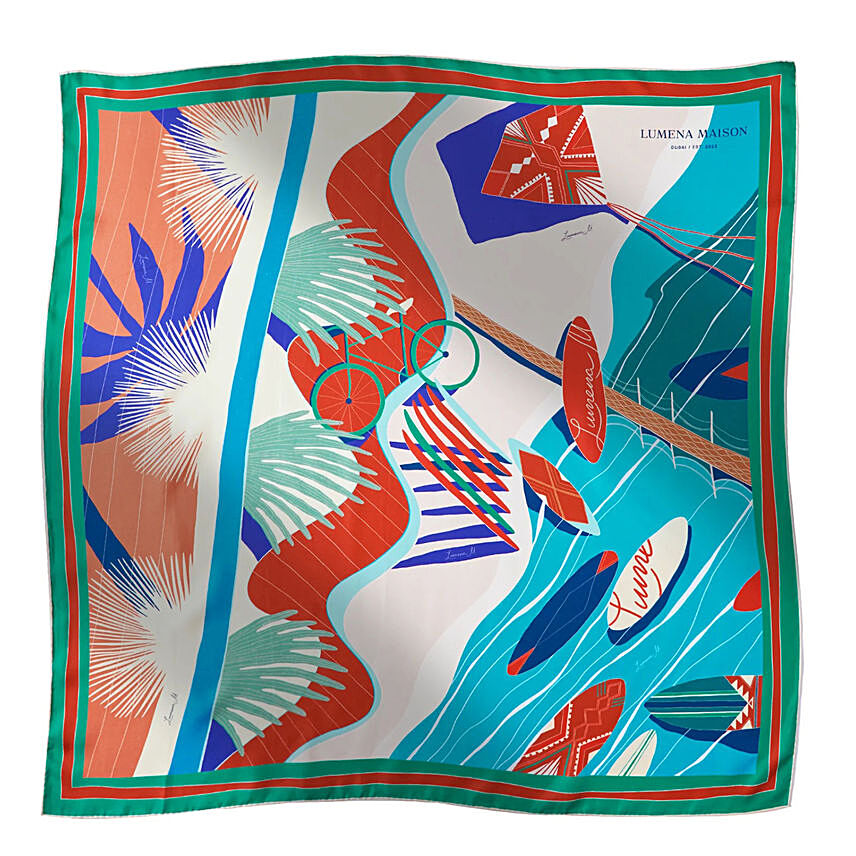
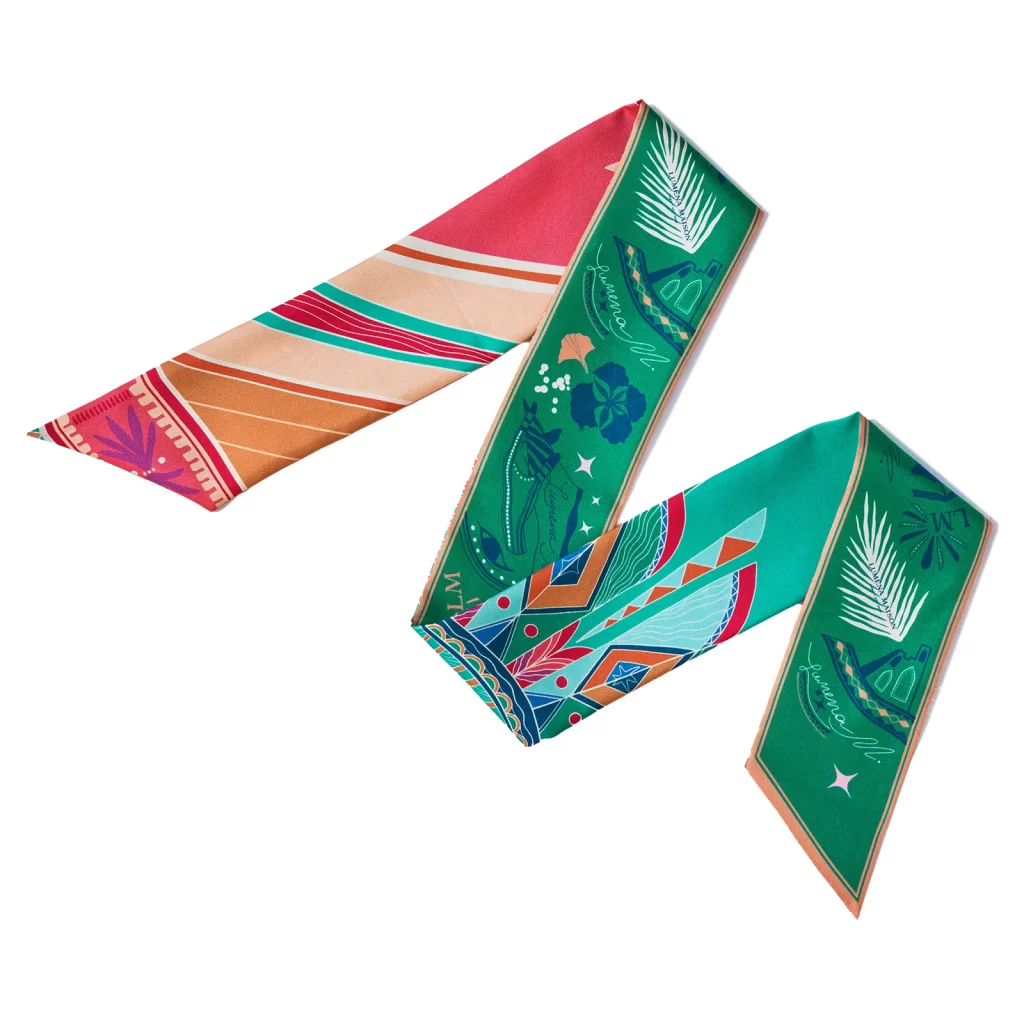
One homegrown luxury brand I’ve fallen in love with is Lumena Maison. A beautifully elegant collection that features local artists and dedicates profit to local missions.

UAE based, it features limited quantities of the highest grade of silks, which is a renewable resource, can biodegrade, and uses less water, chemicals, and energy than many other fibers. Aiming to promote the rich heritage of the Arabian Gulf region to the rest of the world, this slow fashion brand only employs the talents of local GCC artists.

From kaftans to scarves, twilly’s, two-piece co-ords and dresses featuring prints like ‘Kite Beach’ below, they make for the perfect Dubai mementos and gifts.

Lumena Maison honors the traditional ways of silk production and supports the silk scarf-making artisans with fair pay. Manufacturing is often carbon footprint heavy but they use digital printing on their fabrics to ensure a more eco-friendly production line, and less waste of surplus inks and water.

Furthering their positive impact, Lumena Maison has partnered with the Al Jalila Foundation, committing 10% of all sales through the website to support cancer treatment for women and children.

Find them offline at Halm Collective, beach road.

fashion

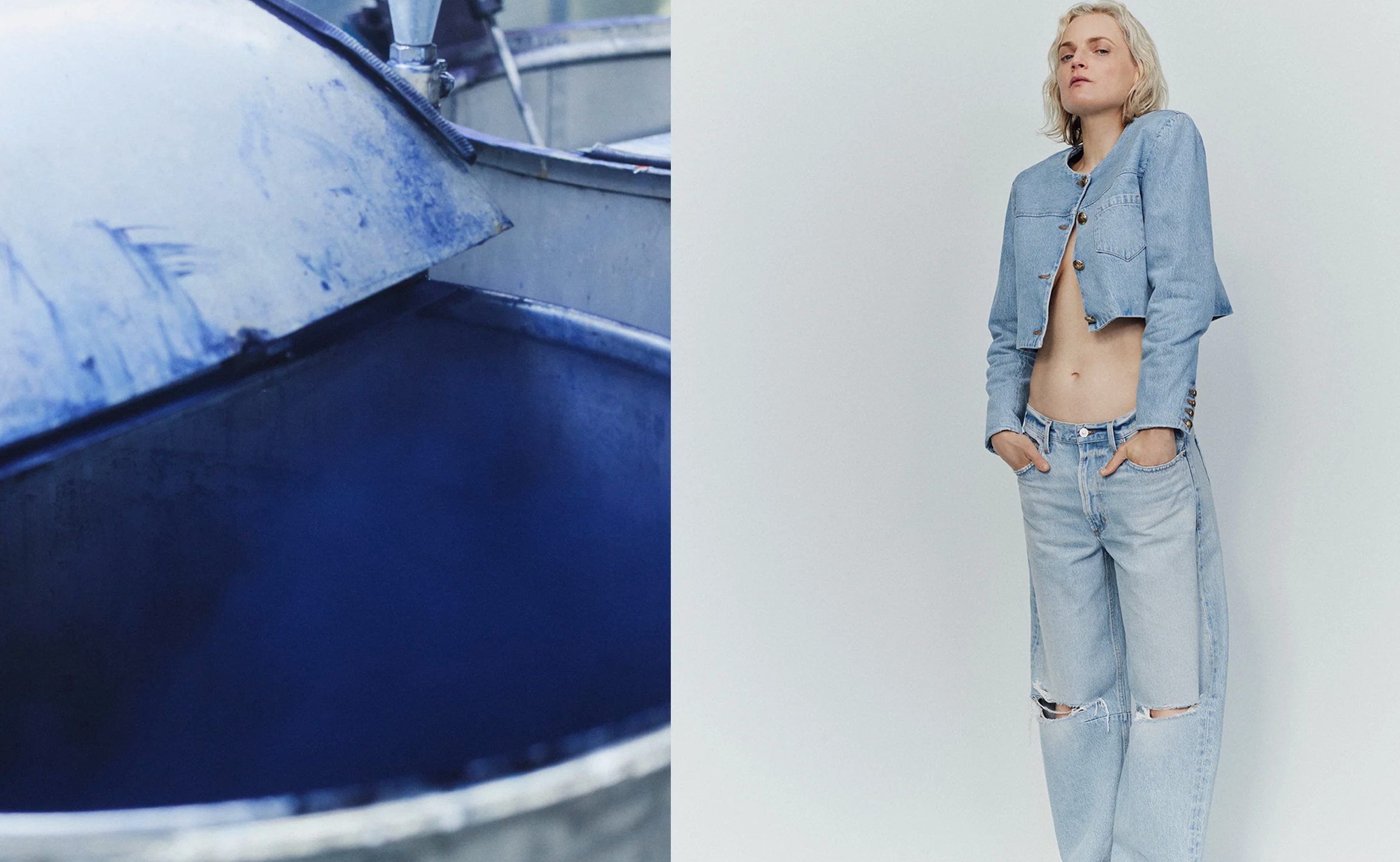
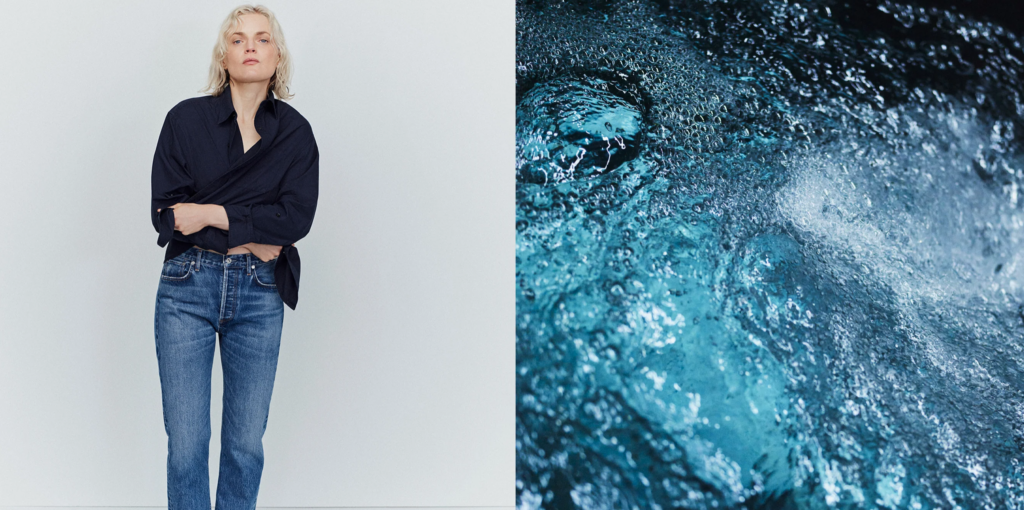
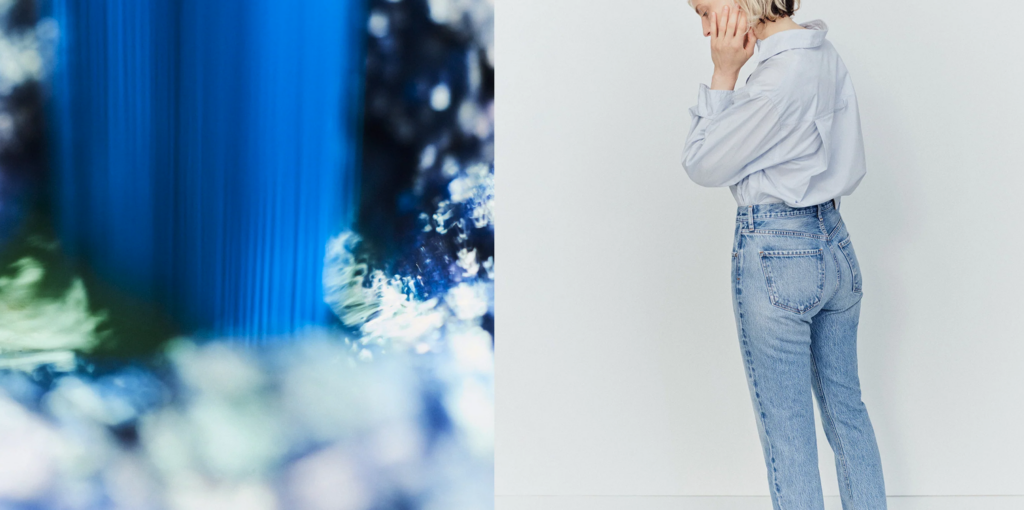
Denim for you (and the planet) to love

According to Greenpeace International, the production of textiles is responsible for 20% of the world’s water pollution. Denim in particular is a seriously thirsty material to manufacture.

Denim is also white (as it’s cotton) so in order to get it that blue shade we all know and love, it is dyed using indigo (a natural substance), but indigo, whether natural or synthetic, does not dissolve in water to become liquid dye. Instead, it must be altered using carcinogenic and harsh chemicals that bind the dye to clothing fibers, the waste water of which is then washed into local rivers polluting their ecosystems.

There is a growing need to develop more environmentally friendly techniques. A few ways in which denim can become more sustainable includes; using organic cotton – which can be farmed with less water and fewer fertilizers and pesticides, reducing the environmental effect. Also developing a biosynthesis of indigo is an important route for reducing denim’s carbon footprint.

Citizens of Humanity and AGOLDE are working to source sustainable fabrics which will lower the impact on the environment, including;

Regenerative Cotton

Regenerative farming cultivates a healthy relationship between cotton plants, the soil, and the Earth’s atmosphere. These specific farming methods focus on soil health, carbon sequestration, and soil biodiversity. By implementing regenerative farming techniques, farmers are able to reduce carbon emissions and restore soil health, both of which allow for greater crop yields and lend a hand in the fight against climate change.

Recycled Cotton

After a garment has reached the end of its lifecycle, the material can be recycled. Material recycling is a multi-step process where used garments are sorted by material, shredded into smaller pieces, and cleaned. Now clean, the fibers are re-spun into a new blended recycled cotton yarn that will be used for the creation of new fabrics. This reduces the carbon footprint accrued by farming new cotton. 

Indigo Technology – Eco Indigo

Currently, 99% of all colors rely on fossil resources. The textile manufacturing industry, one of the largest consumers of color, uses 2 million tons of dyes annually. KITOTEX® and INDIGO JUICE® technologies reduce the amount of water, chemicals, and energy in the production of yarns. Together they save 15% water, 33% chemicals, and 25% energy compared to conventional dyeing processes. Citizens of Humanity Group now integrates Eco-Indigo into its production processes. Eco-Indigo is an innovative bio indigo dye created by Pili, a French biochemicals company. 

Eco Friendly Recommended

Cult favourite clean beauty brand Kosas lands in the UAE

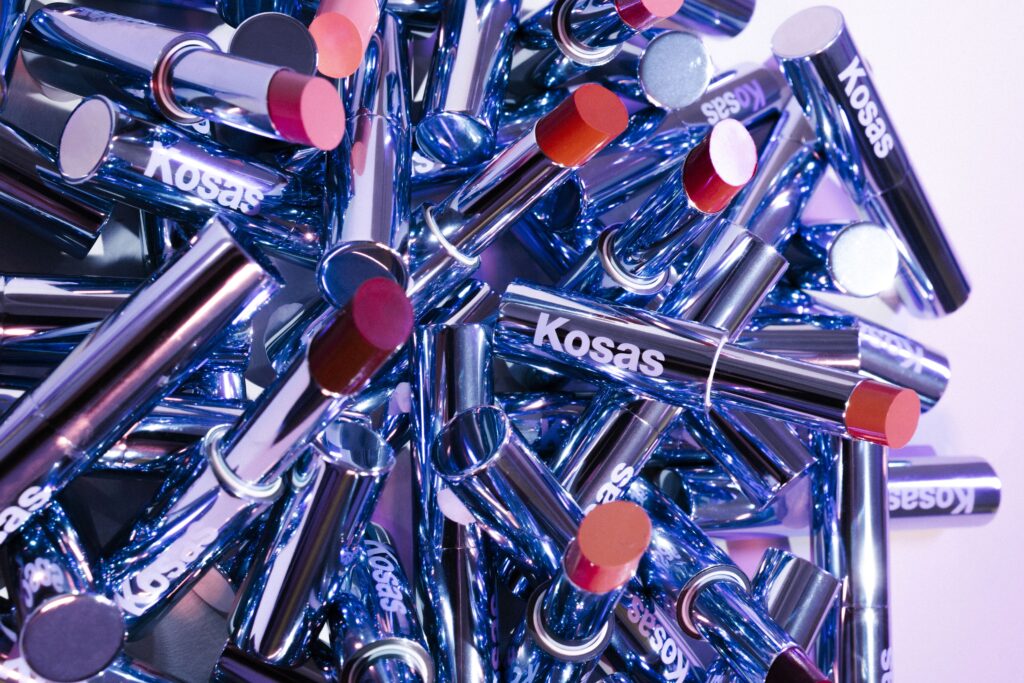
Available exclusively at Sephora, Iranian born Sheena Zadeh, founder of Kosas, puts a precedence on skin-loving, naturally based ingredients and omits the usual phthalates, parabens, talcs and silicones… (to name a few).

Wearing makeup is a perfect opportunity to take care of your skin, and Kosas uses super nourishing ingredients at clinically proven active levels to improve your skin – even when it’s bare. Expect ingredients like pink algae, arnica, peptides, bamboo stem extract, vegan collagen and mineral reef-safe SPF’s in their must-have products instead.

You can shop Kosas guilt free because they are also planet-positive as a company and ensure: 100% Cruelty-free and Leaping Bunny Certified, 100% Tree-free or FSC-certified cartons. 100% of tubes are made from biomaterials and use totally ethically sourced mica too.

Sustainable

Unity for Change – أفق initiative making shopping more sustainable

There has been a growing awareness and concern about the environmental impact of our consumer habits and as a result, shopping malls around the world are taking steps to become more sustainable and eco-friendly. The aim is to also promote a culture of sustainability among shoppers. Reliable ways to manage waste and recycling options are essential for every place where large groups of people meet and spend time.

The Unity for Changeأفق initiative has unveiled a groundbreaking sustainability framework aimed at transforming retail and mall operations across the UAE. Spearheaded by Chalhoub Group, LVMH, Emaar Malls Management (L.L.C.), Majid Al Futtaim, and Aldar Properties, this alliance marks a step toward measurable environmental impact reduction. This initiative now features defined goals across three core pillars: energy efficiency via reducing carbon emissions, eco-friendly store design, and waste management.

This includes working towards achieving a minimum of 5% annual energy savings or carbon emissions reduction for all shopping malls starting 2024. Launching energy-efficient lighting systems (50% efficacy), and achieve zero waste to landfill by 2030 for LVMH and Chalhoub Group.

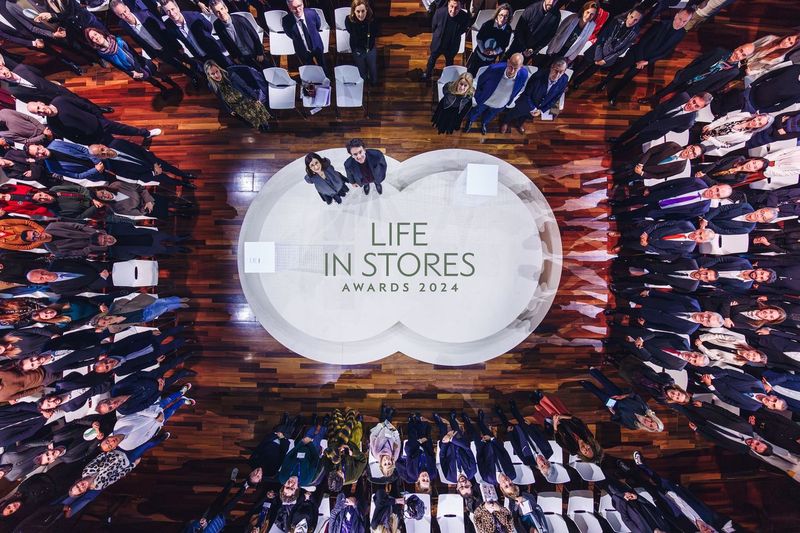
The findings and finalized objectives of this initiative were officially presented during the LVMH “LIFE 360 in Stores Awards” ceremony. This event, gathering experts, partners, employees, and industry leaders, was established in 2016 by LVMH, and celebrates innovative initiatives that enhance the environmental performance of the LVMH’s Maisons’ stores, based on an external audit conducted by an independent agency. Launched during COP28 in 2023, it is the first partnership of its kind in the Middle East.

Eco Friendly Sustainable

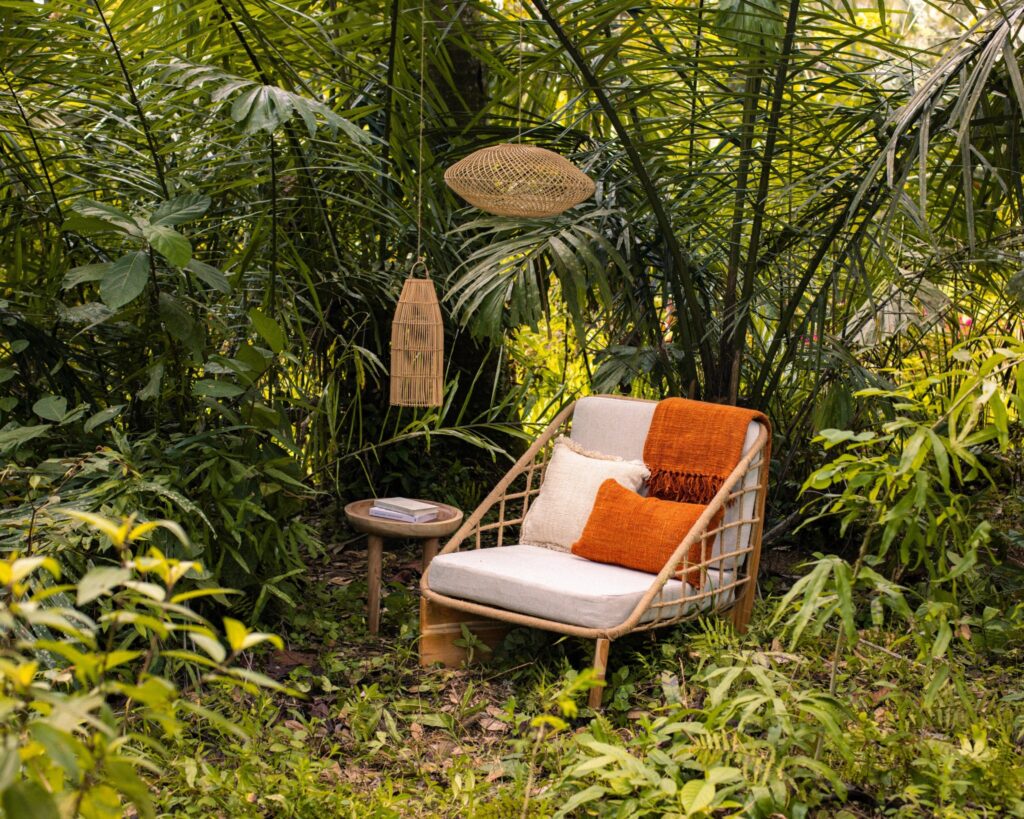
Ombai furniture blends earthy materials with modern silhouettes

Handcrafted in Indonesia, using sustainably-sourced materials of the greatest quality, OMBAI is designed for those who want to live in harmony with the elements.

New to the region, OMBAI are solid wood specialists who ensure their environmental footprint is minimal. Their sustainable collection is handcrafted by artisans using age-old techniques such as Shou-sugi-ban, an ancestral Japanese wood curation technique that consists of burning the wood for durability. Not only is this skill eco-friendly but it also gives furniture unmatched allure.

According to a study by PricewaterhouseCoopers (PwC), sustainability is actually a crucial factor for three-quarters of consumers when they are buying furniture.

So what makes furniture more sustainable? Other than upcycling or upselling it once you’re finished with it of course… Using use renewable, reclaimed or recycled materials in the manufacturing. Making sure the materials used have minimal chemicals, including in the varnishing and also using local materials and local fabricators to save on transportation.

These are my top pics:

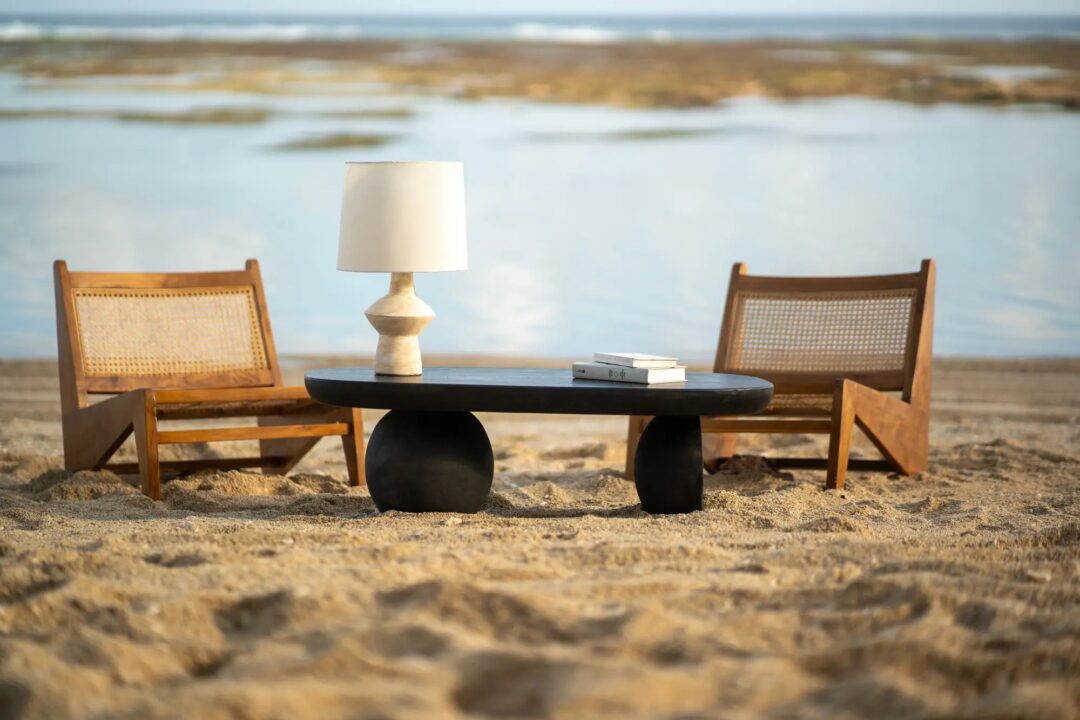
Vilya Oval Coffee Table Sugar Wood, crafted from natural Sugar wood with a burnt black finish.

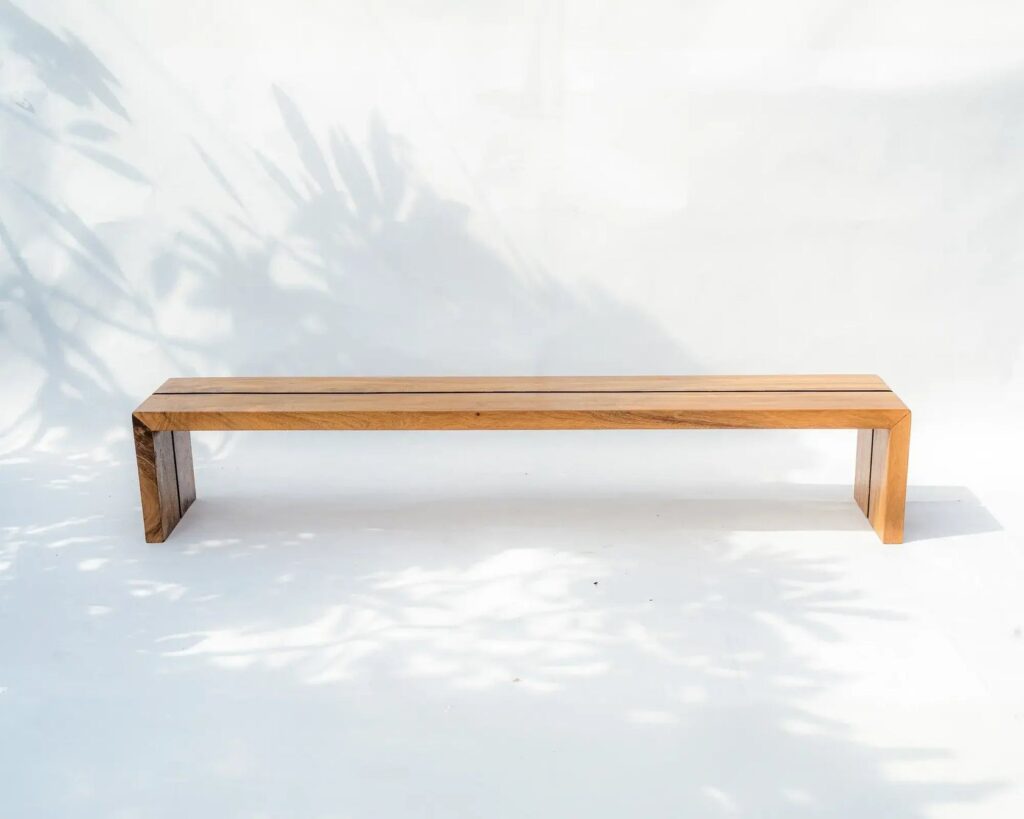
Briza Bench Natural Suar Wood, crafted from natural Suar wood.

Rimba Rope Detail Armchair Teak Wood, featuring a blend of natural materials, such as wood, metal and rope.

OMBAI has now opened at the new Goshi warehouses in Al Quoz, Dubai.