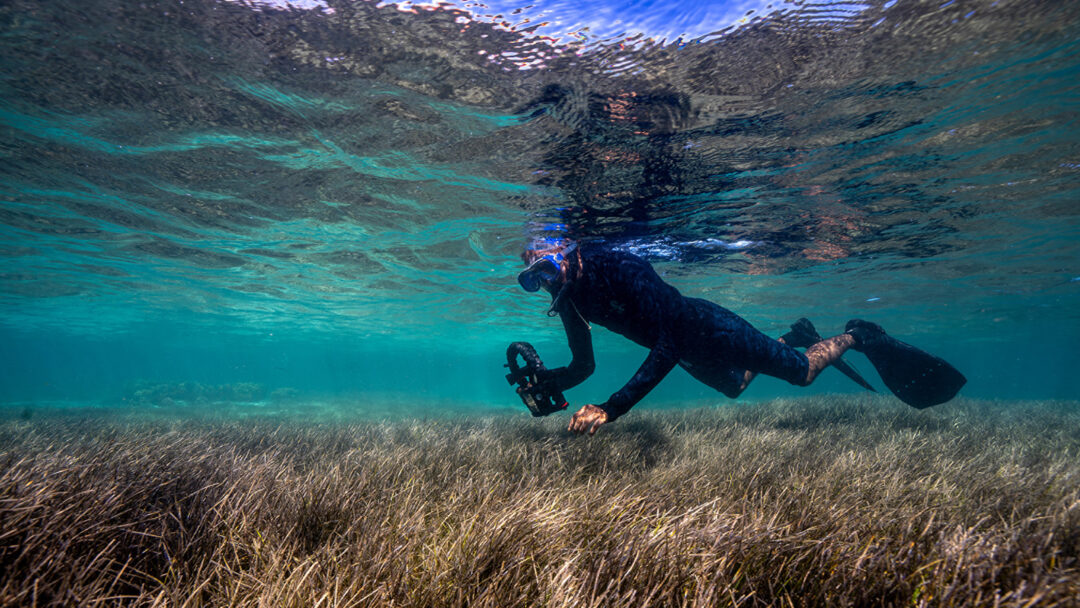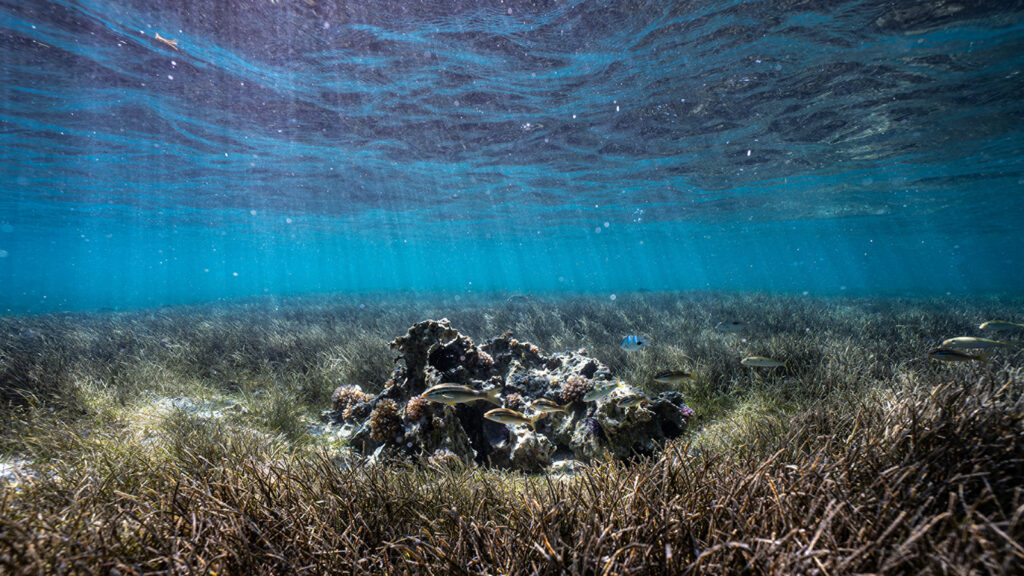
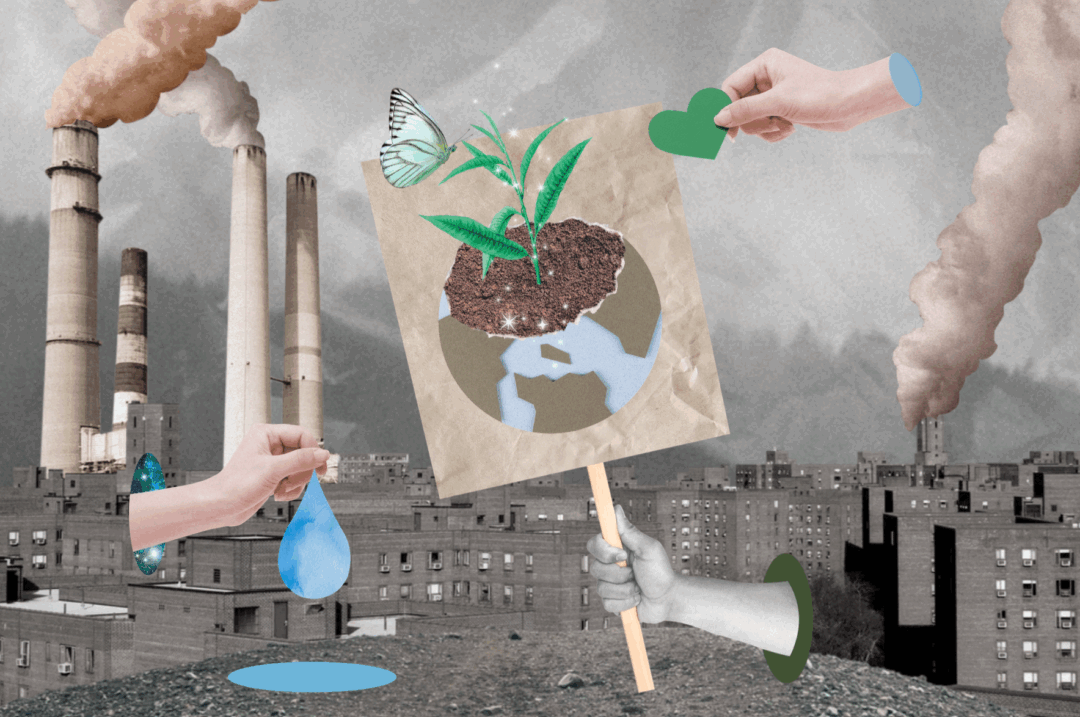
We have arrived at a moment of stark reckoning. Scientists now believe the planet has crossed the first major climate tipping point — that threshold where an ecosystem moves from strain into a new, less reversible state. According to a recent report led by the University of Exeter, warm-water coral reefs have passed such a threshold.
What does this mean? A tipping point in climate terms is defined as a “critical threshold beyond which a system reorganises, often abruptly and/or irreversibly.” In plain language: once crossed, nature may not snap back. The report warns that “we can no longer talk about tipping points as a future risk … the first tipping of widespread die-back of warm water coral reefs is already under way.”
Coral reefs matter deeply: they host a quarter of all marine species, form the backbone of coastal livelihoods for hundreds of millions of people, and serve as natural barriers to storm surge and erosion. To state it simply: their tipping means we are living in a changed climate regime. As one leading expert put it: “It’s like running faster into a sea that is rising to drown us.” — Tim Lenton.
The implications ripple far beyond reefs. When one system flips, it increases pressure on others: thawing ice sheets, permafrost melt, rainforest die-back, major ocean current slowdowns are all on the brink. Scientists caution that we are getting dangerously close to those overlays of tipping point risk. In effect, this is no longer hypothetical: we are living the reality of it.
So what does this mean for you and I? First: recognition. We must face that the climate isn’t just gradually warming—it is shifting into new patterns, new risks, new baselines. And second: action. While a tipping point crossed is deeply serious, it doesn’t mean hopelessness. We can still strive to prevent further cascade effects and limit damage.
Here are a couple of individual actions you can take:
- Reduce your fossil-fuel footprint: Use public transport, cycle, combine errands, reduce air-travel where possible. Every ton of CO₂ avoided helps slow the pace of system stress.
- Support and protect nature locally: Plant native trees, support reef or shoreline restoration projects, reduce plastic and chemical pollution that further stress ecosystems. By caring for the natural buffers, we strengthen our resilience.
Yes, we’ve passed a threshold. But we still have choices. By leaning into change—both in our personal lives and our collective voices—we might slow the next one, or prevent it altogether. The urgency is real; the window is narrowing.